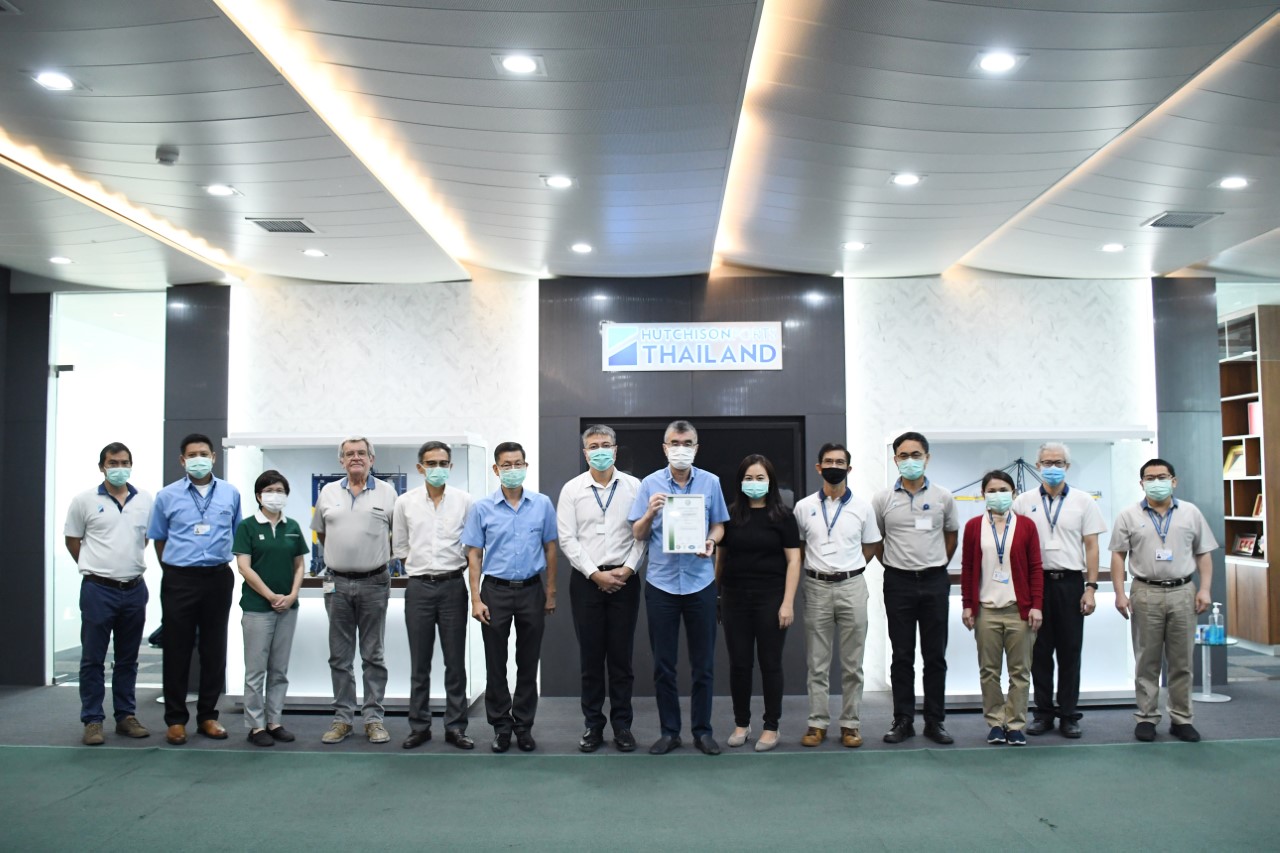
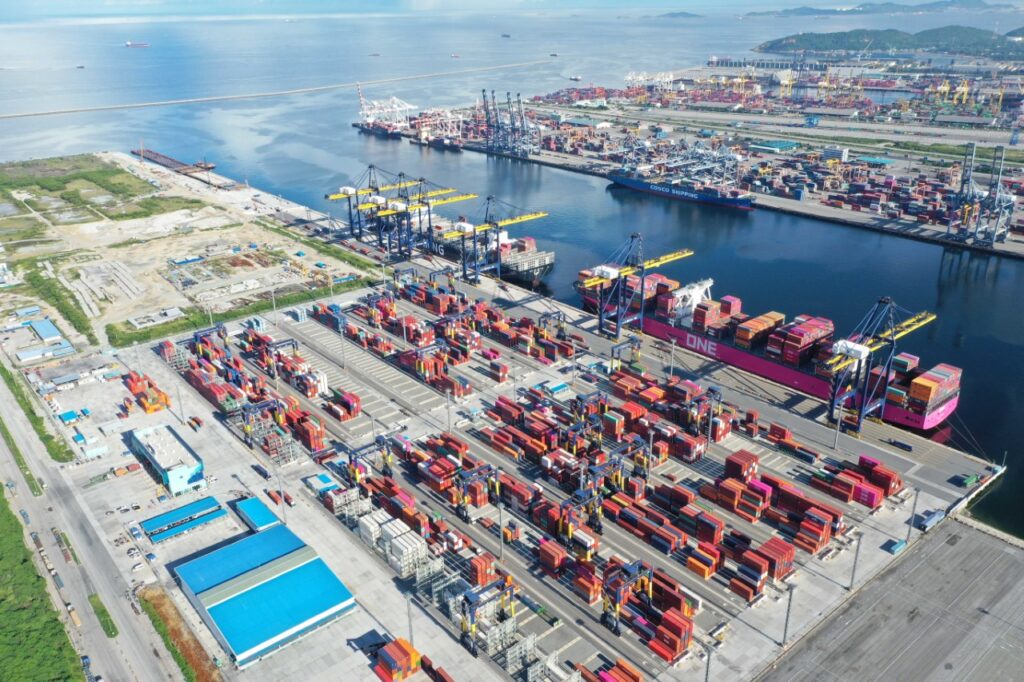
Hutchison Ports Thailand (HPT) has reaffirmed its commitment to help protect the environment after being awarded the ISO14001:2015 certification for Terminal D.
ISO14001:2015 is an approved standard for environmental management systems for an organization that is able to manage its environmental resources, while developing and expanding its business.
Terminal D is HPT’s pioneering terminal for the ISO14001 standards and this year, the Company is aiming to expand the approval of the ISO14001:2015 standard to other HPT terminals at Laem Chabang Port.
By anyone’s standards, 2020 was a most unusual and challenging year. Yet, in the face of economic and business uncertainty and constant worries about how the new strain of coronavirus could impact our health and wellbeing, at Hutchison Ports Thailand (HPT) we did still manage to meet several notable milestones.
What happened to container handling volumes?
Ever since COVID was first detected, China became the first country to be hit with business disruptions that caused a knock-on effect to supply chains and the global economy. If we break up the year into three distinct thirds, between January and April our container handling volumes at HPT were quite steady and we even managed to record a little bit of growth. In the early months, it was very easy to be led into a false sense of security as nobody was talking about a complete implosion in global trade.
However, if you looked carefully at the data at the time, the signs were already there. May to August saw a significant dip as much of the world essentially stopped consuming and in response, shipping lines had no choice but to blank sailings or consolidate their schedules. According to some of our shipping line customers, critical goods were still moving at this time and there was also a surge in exports of products associated with home improvements to the US and Europe, as large swathes of the population were locked-down at home in response to the pandemic. The increasing use of e-commerce platforms appears to have played a significant part in facilitating the movement of goods during this period.
Then all of a sudden starting in September, we saw a noticeable pick up in container handling volumes as the major economies started to open up again. And this trend continued for the remainder of the year – pent up demand perhaps!
What was our reaction to the crisis?
First and foremost, when it became apparent that Thailand would not escape from the effects of the pandemic, we immediately set up our own COVID prevention committee which was tasked with protecting the health of both our employees and outside users of our terminals at Laem Chabang Port. We set up best practice workplace guidelines which included strictly enforced social distancing, hygiene, and temperature checking protocols – all necessary steps required to maintain a 24-hour operation to support the movement of critical goods. Particular attention was paid to protecting our “front line” colleagues, many of whom were required to interact daily with vessel crew and other terminal users.
The second important decision we made was, despite the very real financial pressures on our company, we did not at any time contemplate a reduction to our workforce as a way of realizing short-term cost savings. Our business is naturally exposed to the ups and downs of the economy and in our experience, if the terminal is under-resourced when there is a sudden bounce back in volumes, productivity will be adversely impacted with resulting port congestion.
Yes, decisions were made to reduce or defer any spending of a discretionary nature but we continued to invest in our key projects such as the ongoing development of Terminal D, and we even decided to speed up the development of some of our planned technology enhancements to give us more business continuity protection in the future.
By laying the foundations for a safe, secure, and properly resourced terminal, we still managed to achieve some critical milestones in 2020 despite the challenges posed by the pandemic. In April, we received delivery of 6 autonomous (driverless) trucks for testing and trials. These trucks incorporate some of the latest available technology and are safe, intelligent, and environmentally friendly. If the testing and integration with our terminal operating system are successful, we will consider ordering some of these trucks for deployment at Terminal D.
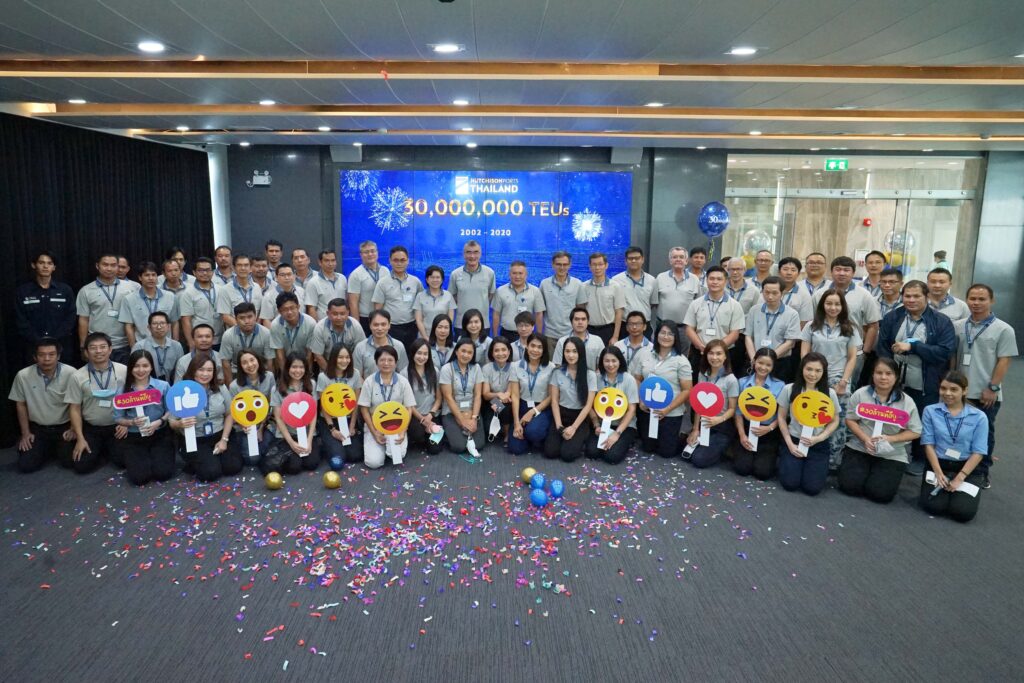
On 30th July, we welcomed the MSC MINA to HPT which at 399M length overall and with a capacity of 23,656 TEUs is one of the largest container vessels currently in operation and is certainly by far the largest vessel ever to call Thailand. And on 9th December, we celebrated the handling of our 30 millionth TEU of containers since we commenced operations in Laem Chabang in 2002, a significant milestone for both HPT and the Hutchison Ports Group.
Looking forward to 2021
Although the consensus is that the global economy will grow modestly in 2021, the post-COVID global GDP will still be lower than previously forecasted by analysts before the pandemic. If we assume that container growth will follow a similar trend, we are looking at a U-shaped recovery at best and a “hockey stick” recovery at worst in terms of our handling volumes.
Whilst we remain cautiously optimistic regarding prospects for 2021 and beyond, especially in the light of recent announcements regarding COVID vaccines with a high level of efficacy, we are also planning for the worst including the possibility of a second wave of COVID infections in Thailand. Indeed, as I write, we have seen a sudden increase in local infections which has led to some initial government-mandated restrictions on our daily lives. We shall therefore remain vigilant and ensure that we have all the necessary protocols and contingencies in place to protect the health of our employees and to maintain a 24-hour operation for our customers and terminal users in the event of a further national lockdown.
That said, we will continue to invest in our various initiatives to both expand our handling capacity and implement new technology at our terminals. At Terminal D, we plan to start the construction of the remaining container yard stacking area and to purchase additional super post Panamax ship-to-shore cranes and rubber-tired yard cranes, all electrically operated and using remote control technology. We shall continue with the testing program for the autonomous trucks at Terminal D and also progress with our plans to implement new technology to support such functions as e-delivery orders, automated truck gate-in and gate-out processes, and a supply chain digital platform.
I should also add that Hutchison Ports increasingly recognizes the importance of sustainable development and an important goal for 2021 will be for HPT to make further strides to not only reduce our carbon footprint in the area around Laem Chabang Port but also to further develop our employee and community outreach initiatives. Our goal is that on completion, Terminal D will not only be one of the most advanced container terminals in the world but will also “tick the boxes” in terms of being safe and green.
That’s all for now but before I close, I would like to take this opportunity to wish all our employees and followers a happy, successful, and most importantly, healthy 2021. Stay tuned for more updates about our company from both myself and our corporate communications team.
Stephen
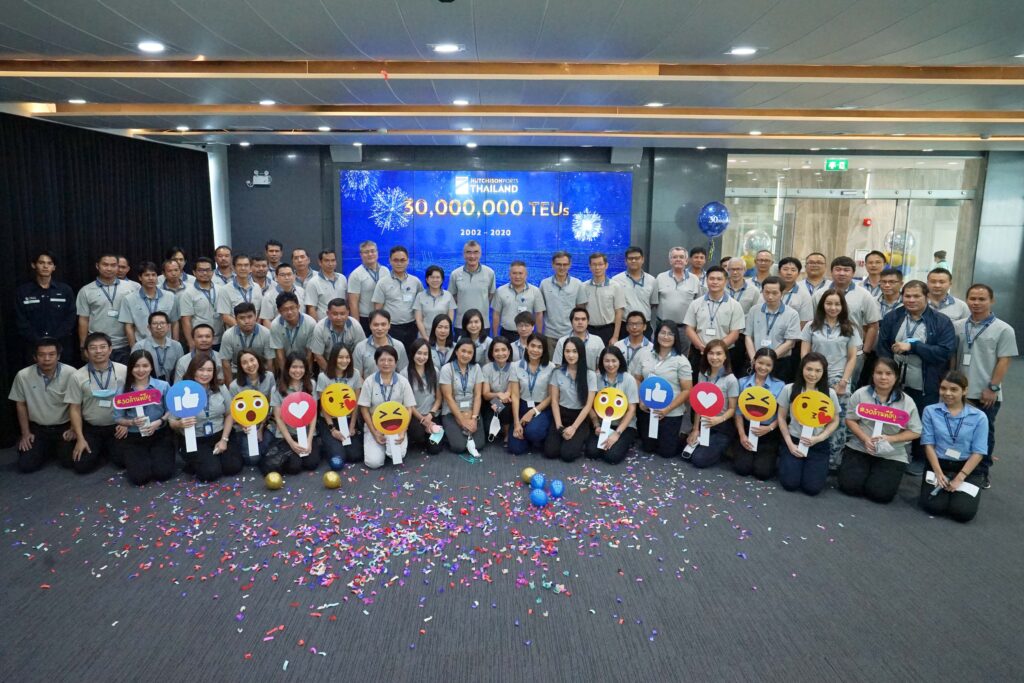
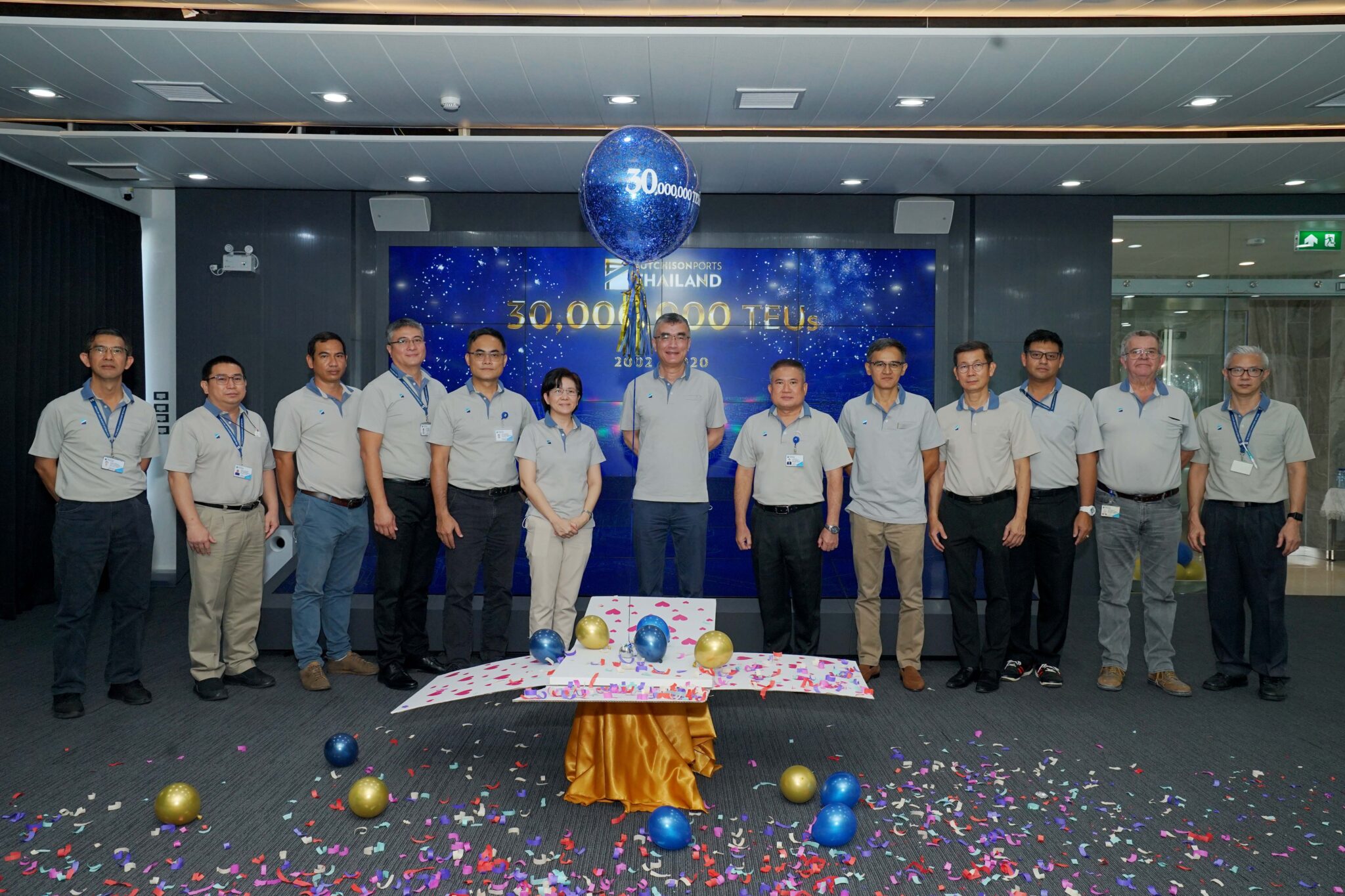
On 9 December 2020, HPT’s employees held an event to celebrate the handling of its 30 millionth TEU of containers since the commencement of operations in 2002.
Mr. Stephen Ashworth, Managing Director, Thailand & South East Asia, congratulated all the employees for reaching this significant milestone and took the opportunity to thank HPT’s customers, the Port Authority of Thailand and other port users for their support over the years.
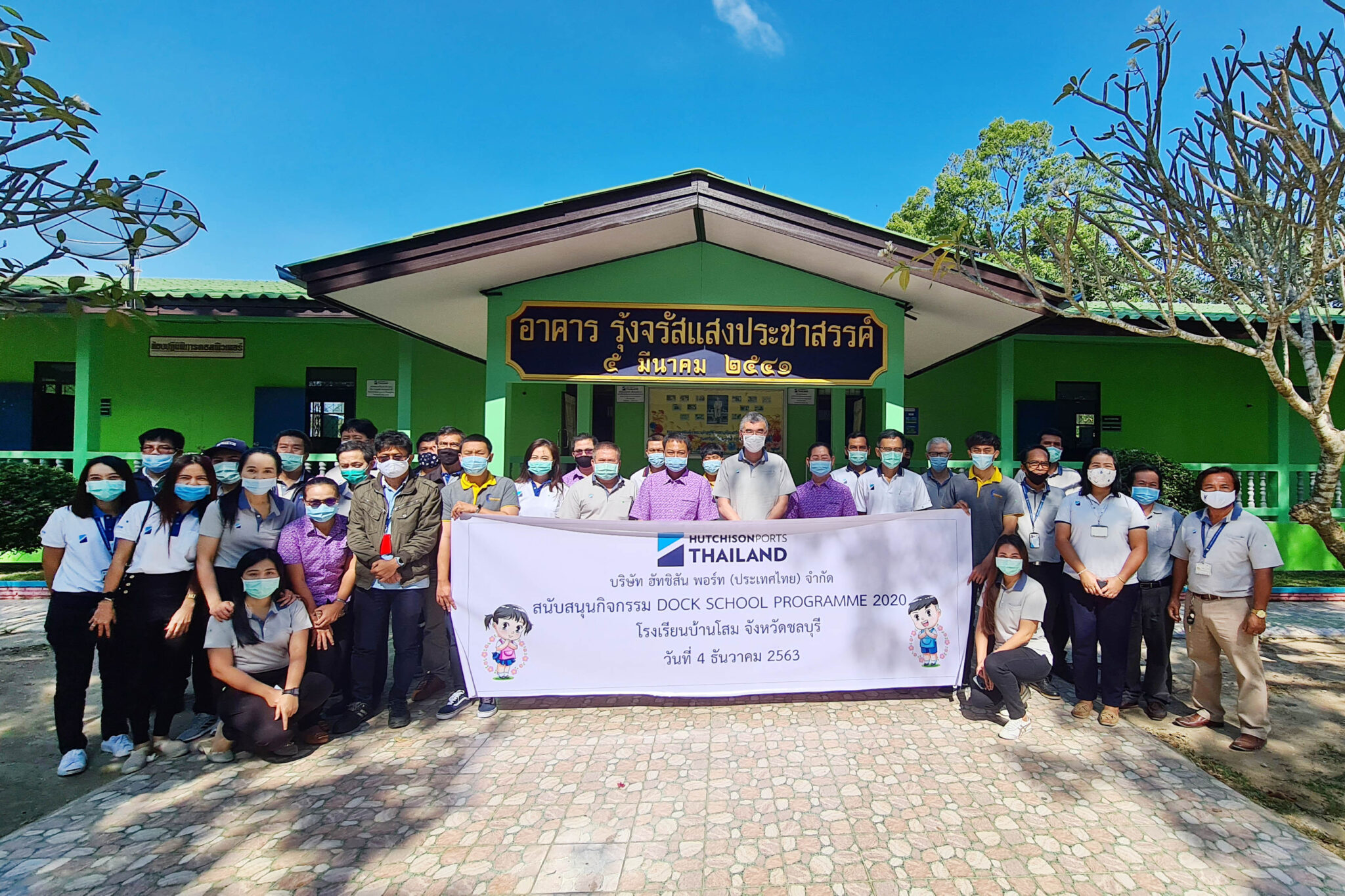
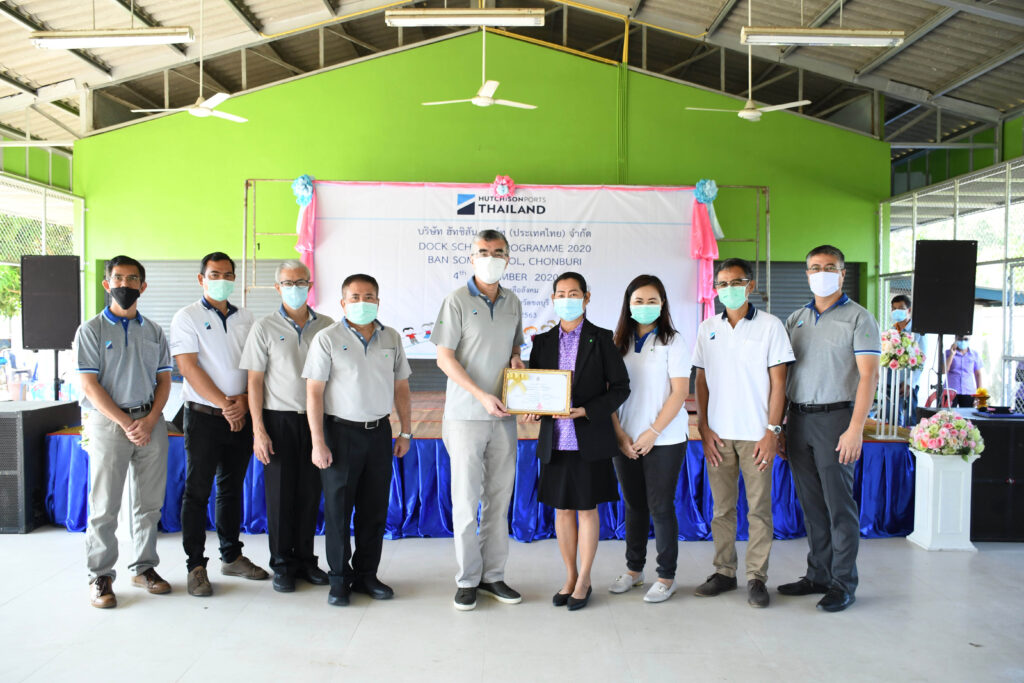
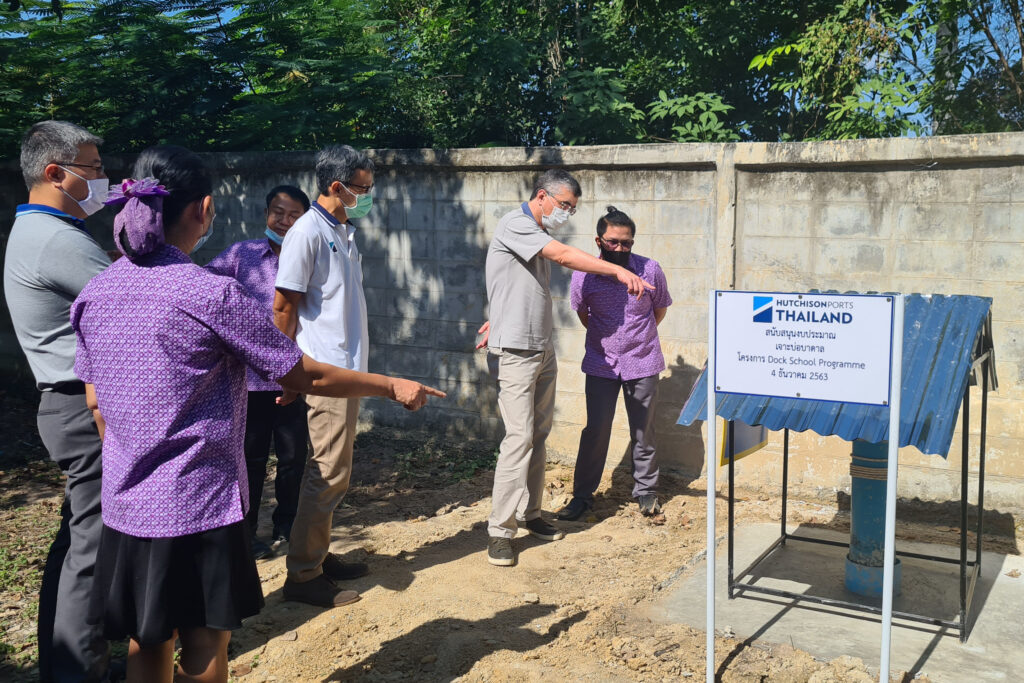
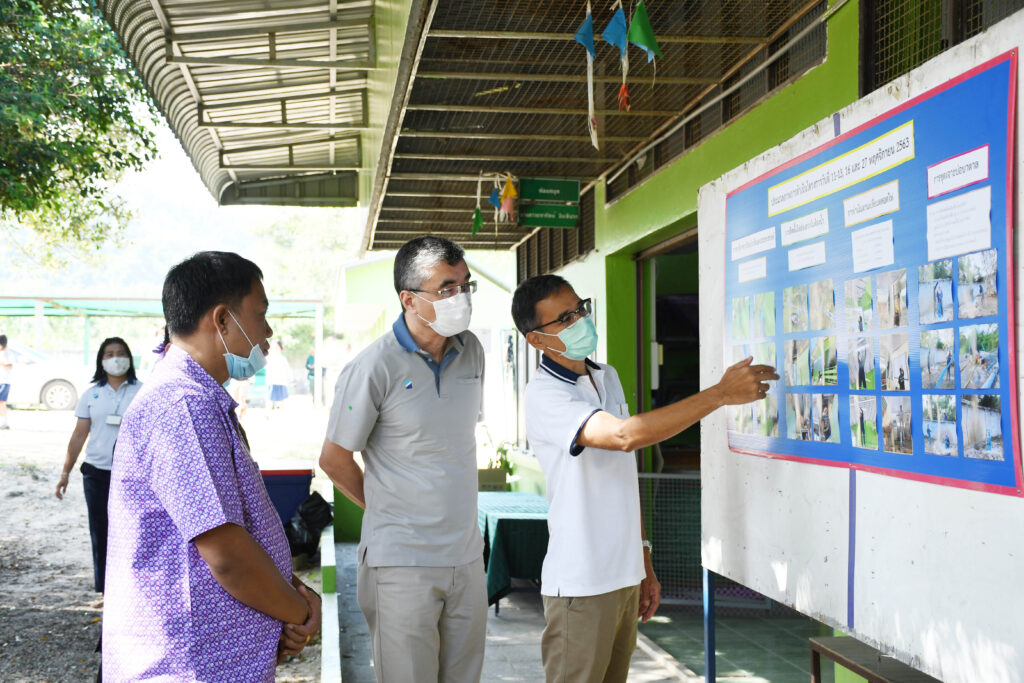
Hutchison Ports Thailand (HPT) recently held a Corporate Social Responsibility (CSR) activity dubbed ‘Dock School 2020’ at Ban Som School, Chonburi province, Thailand. The activity was aimed at granting scholarships and improving the facilities of the school.
During Dock School 2020, Mr. Stephen Ashworth, Managing Director of HPT, and HPT executives granted 30 scholarships to students before joining the CSR activity participants. The efforts at Dock School included changing light bulbs in the canteen and classrooms, painting the school building, drilling boreholes, installing a water pump, and installing light bulbs in the restrooms.
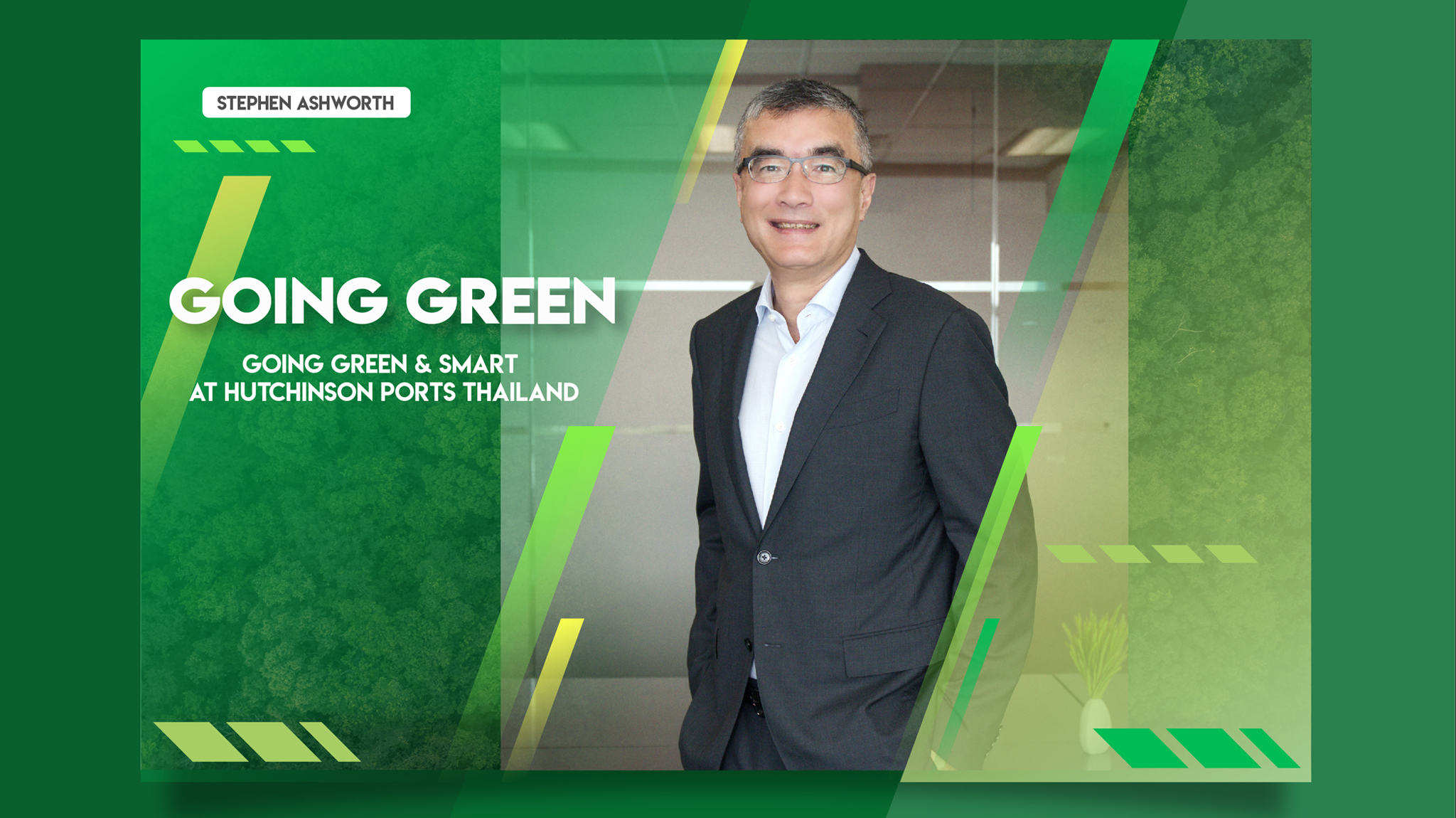
As the Managing Director of Hutchison Ports Thailand (HPT) and with the help and advice of my management team, I need to ensure that our terminal is always operating efficiently and effectively. Nowadays, ports like Laem Chabang, where we currently operate five terminals are critical infrastructure assets that serve as catalysts for economic growth and development. At the same time, port operations by their very nature can also contribute to climate change, particularly given their location in coastal zones, low-lying areas, and deltas.
With the concentration of populations and activities that often surround ports, responding appropriately to the adverse impact that port operations can have on the environment is fast becoming a significant priority for the Hutchison Ports Group. The vast sums of money required to build port infrastructure, and the crucial role of ports as part of the network of international supply-chains, means that ports are significant investments that need to be protected.
For decades, many ports around the world have been somewhat sluggish in their adoption of innovative solutions with regards to energy savings and energy efficiency. As a result, ports continue to be natural polluters if its activities are unchecked, but here at HPT, we are bringing about some positive changes to become an environmentally friendly port operation.
The environmental challenges faced by port operators is a topic I have spoken about before. Still, given its importance to HPT and our Group, I thought I would take the opportunity to provide everybody with a brief recap.
Green Port
A Green Port is a port model or concept that aims to harmonize the relationship between economic and sustainable development. The idea requires efficient organization and leadership, coherent policies and procedures, innovative thinking, and a management philosophy that embraces energy efficiency and environmental protection.
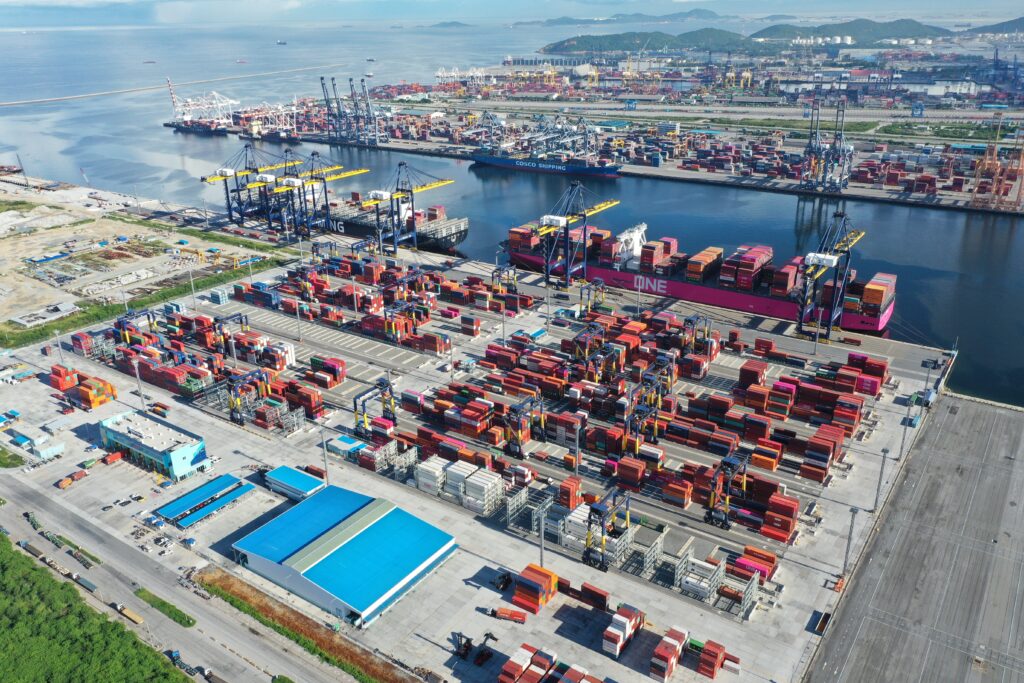
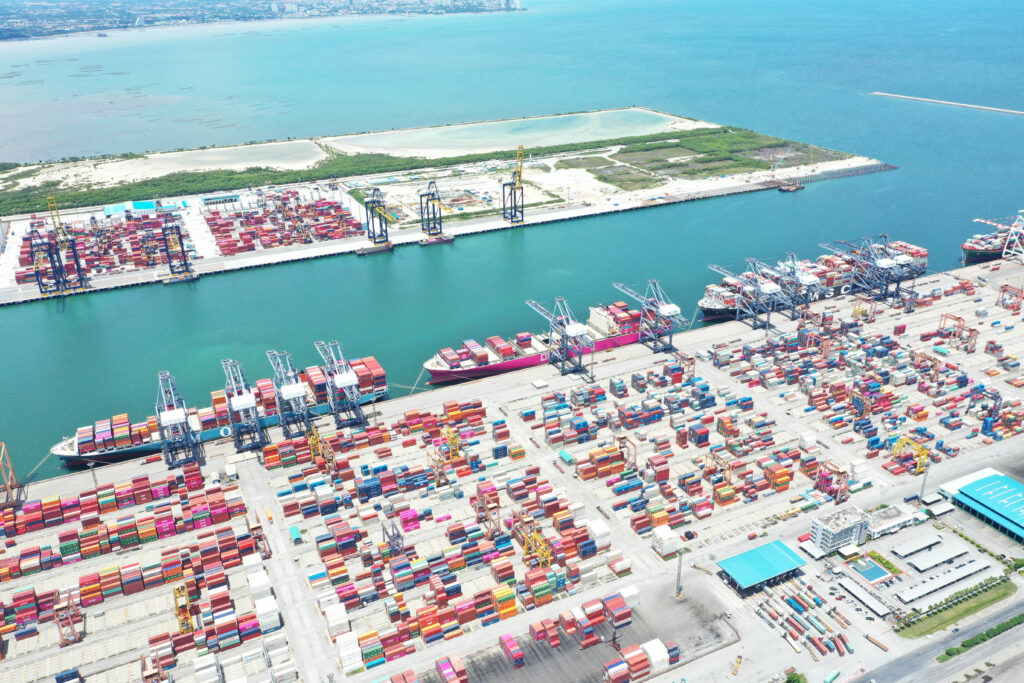
To be considered as a Green Port, port operators must meet internationally recognized criteria and standards for port management and sustainable development. Minimizing adverse environmental impacts and reducing the overall carbon footprint in the area surrounding a major port is the main objective. In this regard, I’m proud to say that we at HPT, especially at our Terminal D facility, have taken many steps to advance our port operations into a more efficient and sustainable future. In the past year alone, with Terminal D Phase 1 now fully operational and handling some of the largest container vessels currently being deployed, we have driven sustainable port development plans to the next level by deploying electrically powered remote-controlled ship-to-shore cranes and rubber-tyred yard cranes.
Also, we are now testing on-site, six autonomous self-driving trucks. If eventually deployed as part of our internal trucking fleet, the trucks will not only be more power-efficient compared to our existing conventional trucks but will be a lot quieter too. Our other already and soon-to-be-implemented innovations, such as online e-tracking services, automated gate operations, and cross-bank bill payments will also significantly reduce our paper usage, another critical step on the road to becoming “greener”.
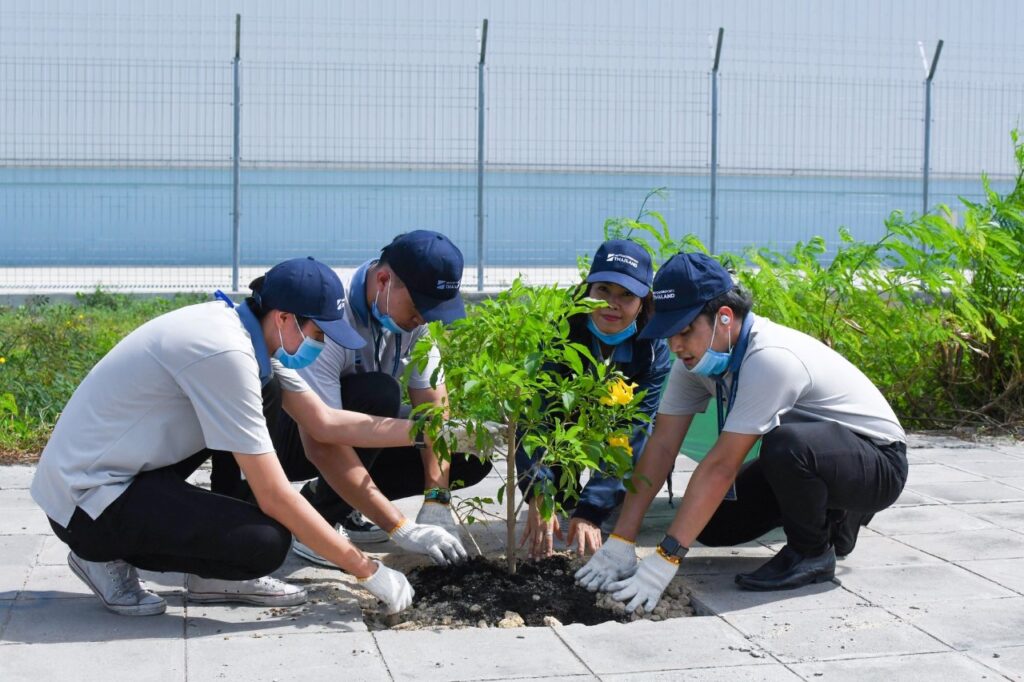
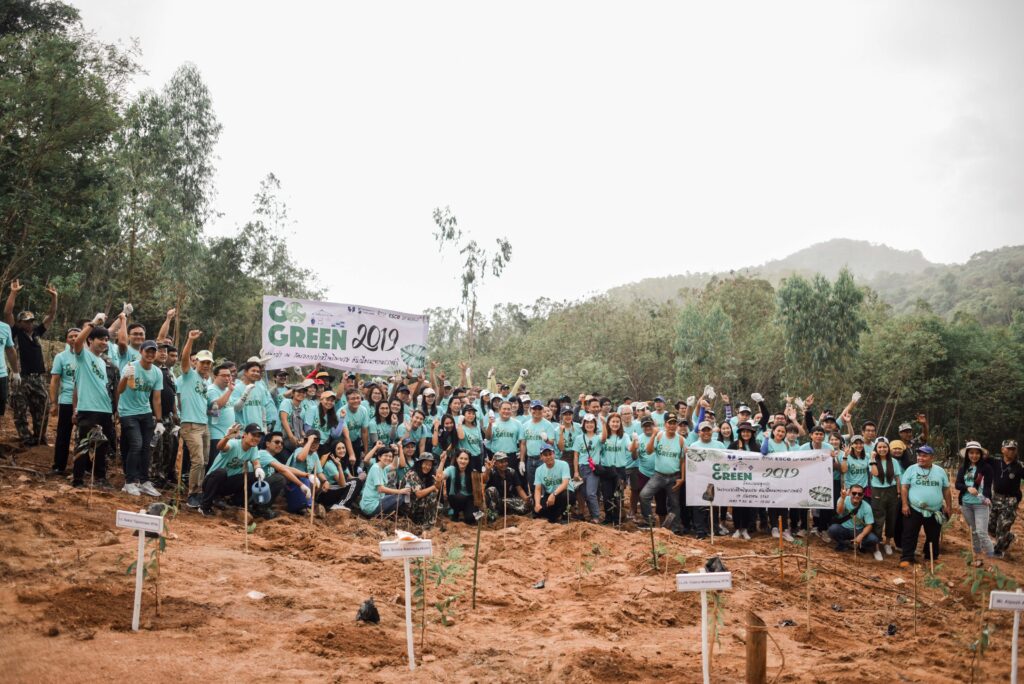
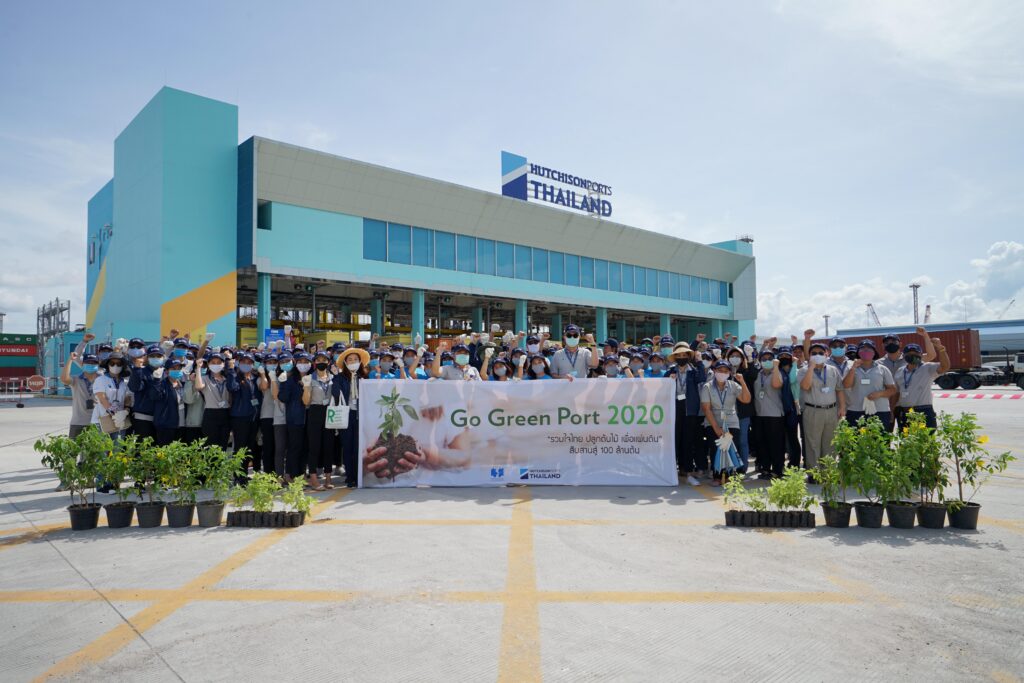
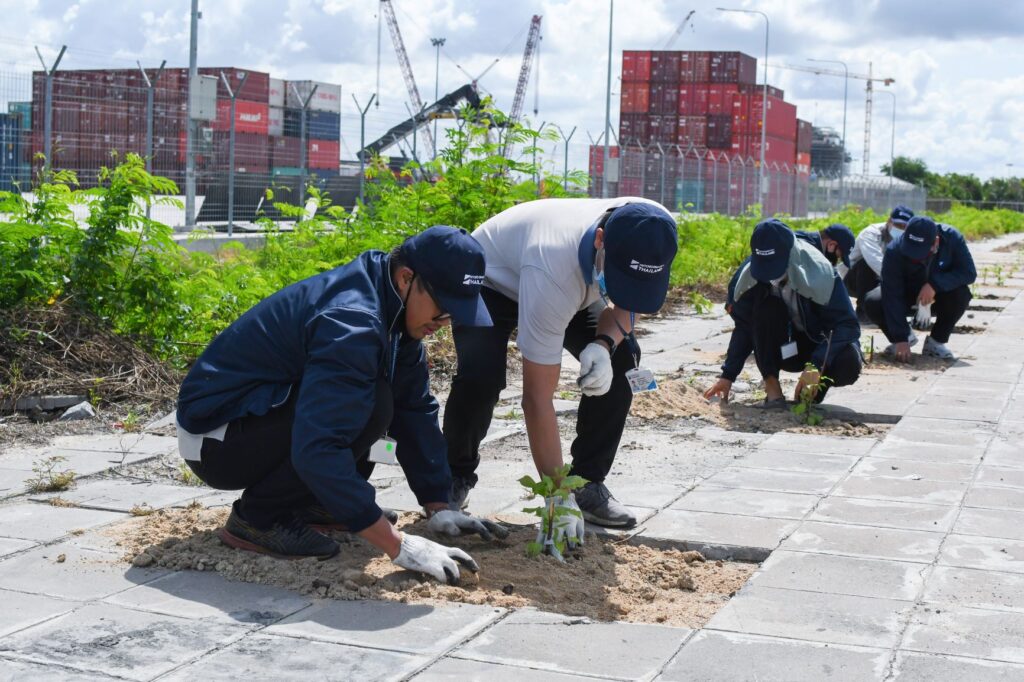
In May, HPT launched its “Go Green” programme which has been enthusiastically embraced by our staff. The programme essentially “formalizes” some of the more obvious “low hanging fruit” environmental initiatives such as saving water and electricity, reducing the use of plastics and encouraging waste segregation – all in a controlled and measurable way. In collaboration with the Port Authority of Thailand, we have also recently planted over 200 trumpet bushes in front of Terminal D and next year, we plan to plant similar trees in front of our Terminals A and C.
Efficiency, Productivity & Sustainable Development
The number of stakeholders and players associated with a port is substantial, and therefore the port acts like a hub which brings all these elements together. If you think of the global economy generally, and the role of the maritime sector, in particular, foreign trade relies heavily on maritime transport. Economic and trade growth puts pressure on the entire maritime industry with regards to how to make it more sustainable and how to reduce any adverse impact on the environment.
Our customers, the shipping lines, together with other port users, require an efficient port. And in this regard, what we have found is that an investment in technology has helped to improve productivity, efficiency, health and safety all in a sustainable, environmentally friendly way. Our remote control ship-to-shore and yard cranes at Terminal D pretty much tick all these boxes. For instance, the built-in anti-collision, anti-lift, ship profile scanning and chassis positioning systems all help to enhance safety for both our staff, vessel operators, external truck drivers and cargo owners. Having our crane operators sit in a centralized remote control centre and essentially monitoring operations as opposed to being physically in the crane cabin reduces the exposure to noise pollution. It also helps us to exercise greater flexibility when it comes to shifting planning and the mobilization of resources. And we are again starting to see some initial improvements to remote control quay crane productivity as we make further improvements to the system and operating practices.
Looking to the Future
As our container terminals at Laem Chabang Port are operating as a testbed for the Hutchinson Ports Group, we are often among the first to receive new technologies and innovations. HPT’s goal is to achieve a symbiotic relationship with our surrounding environment. Embracing sustainable development as an economic driver will benefit HPT and the Port Authority of Thailand, which in turn, will help drive the growth of the nearby Eastern Economic Corridor and Thailand 4.0.
Finally, I’d like to add that the introduction of the concept of Green Port development embodies not only the protection of the environment but also the adoption of the idea of achieving better and safer working conditions for all of our employees. All these factors I’ve mentioned so far will eventually lead to permanent performance improvement, improving the quality of our service levels to our customer and port users, thus positioning HPT to be more competitive in what is now a very challenging market.
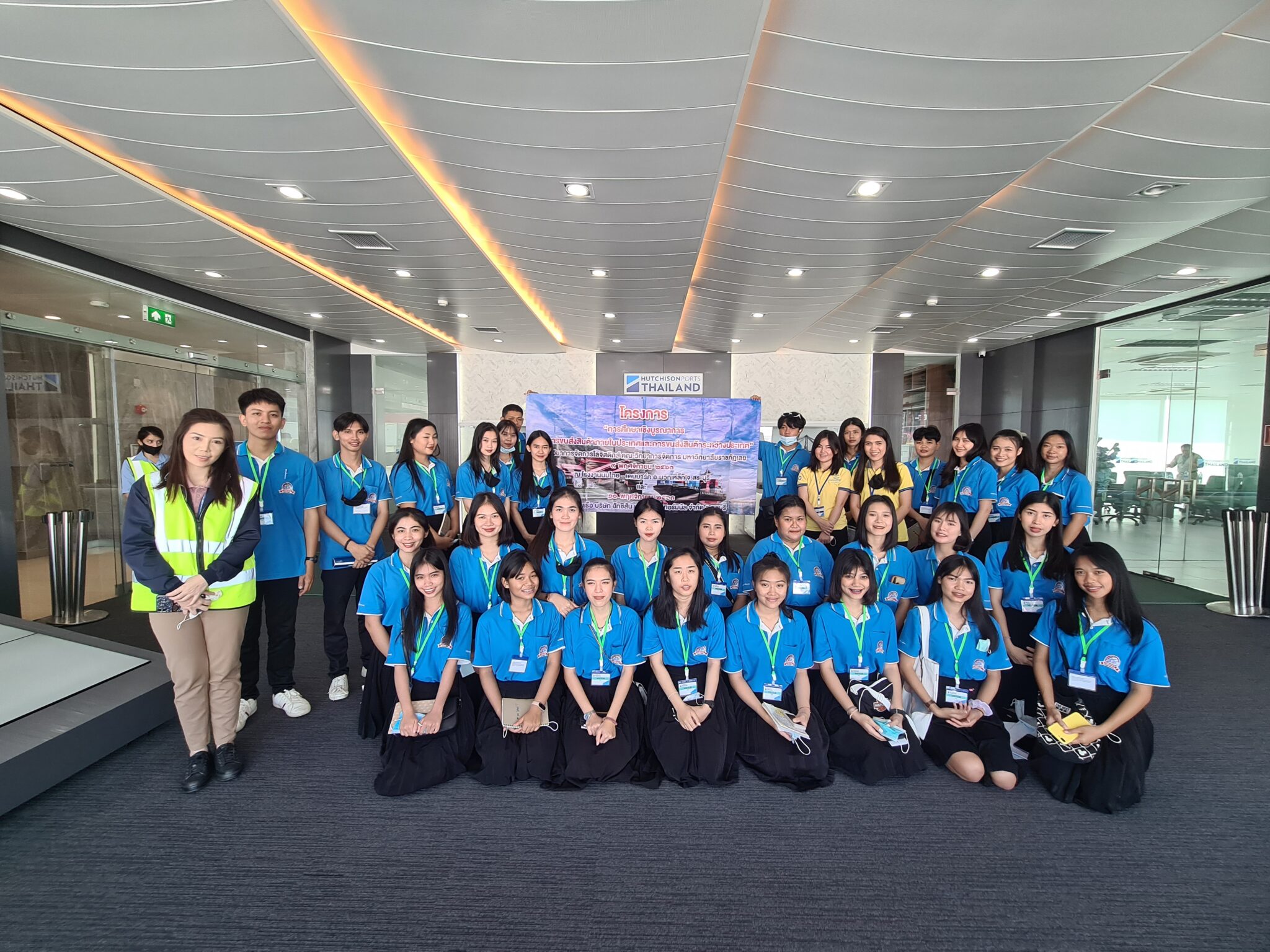
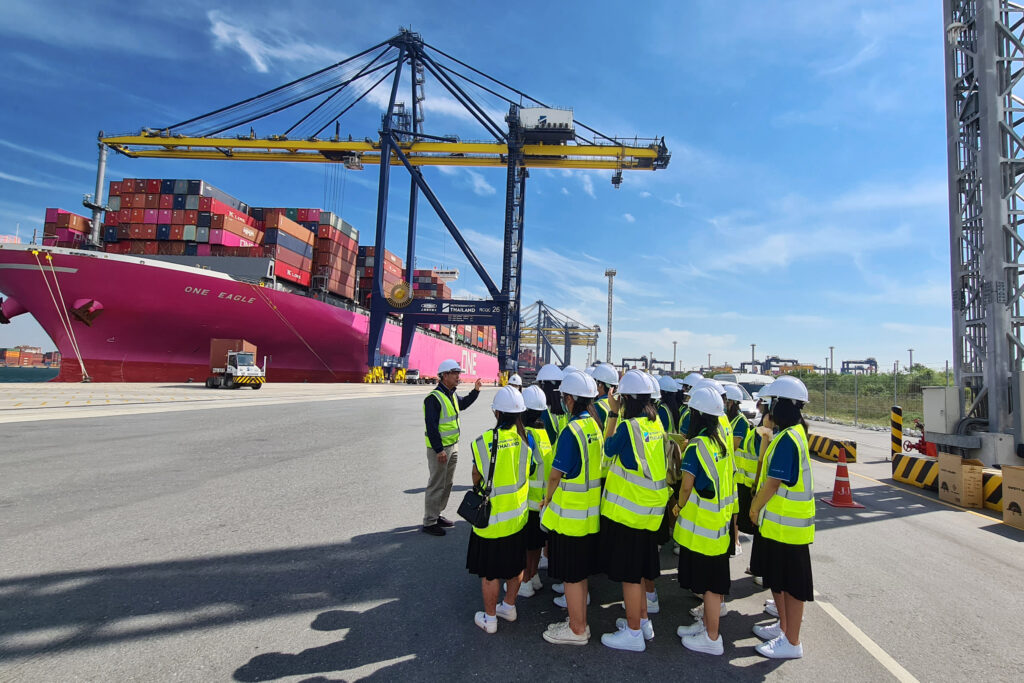
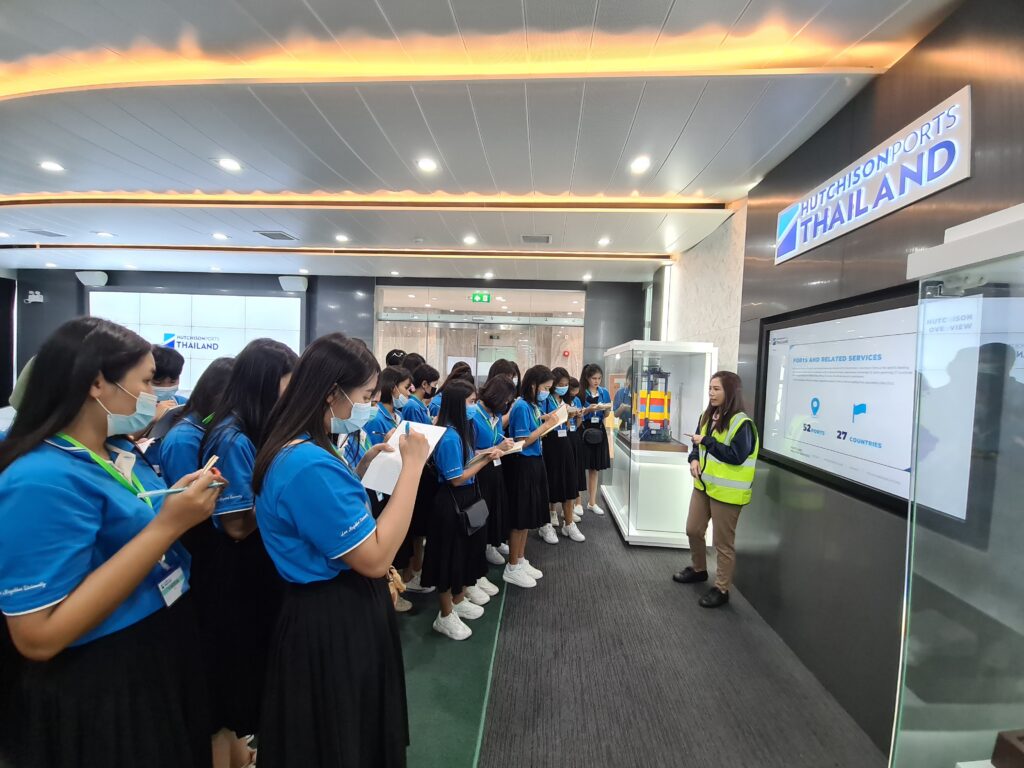
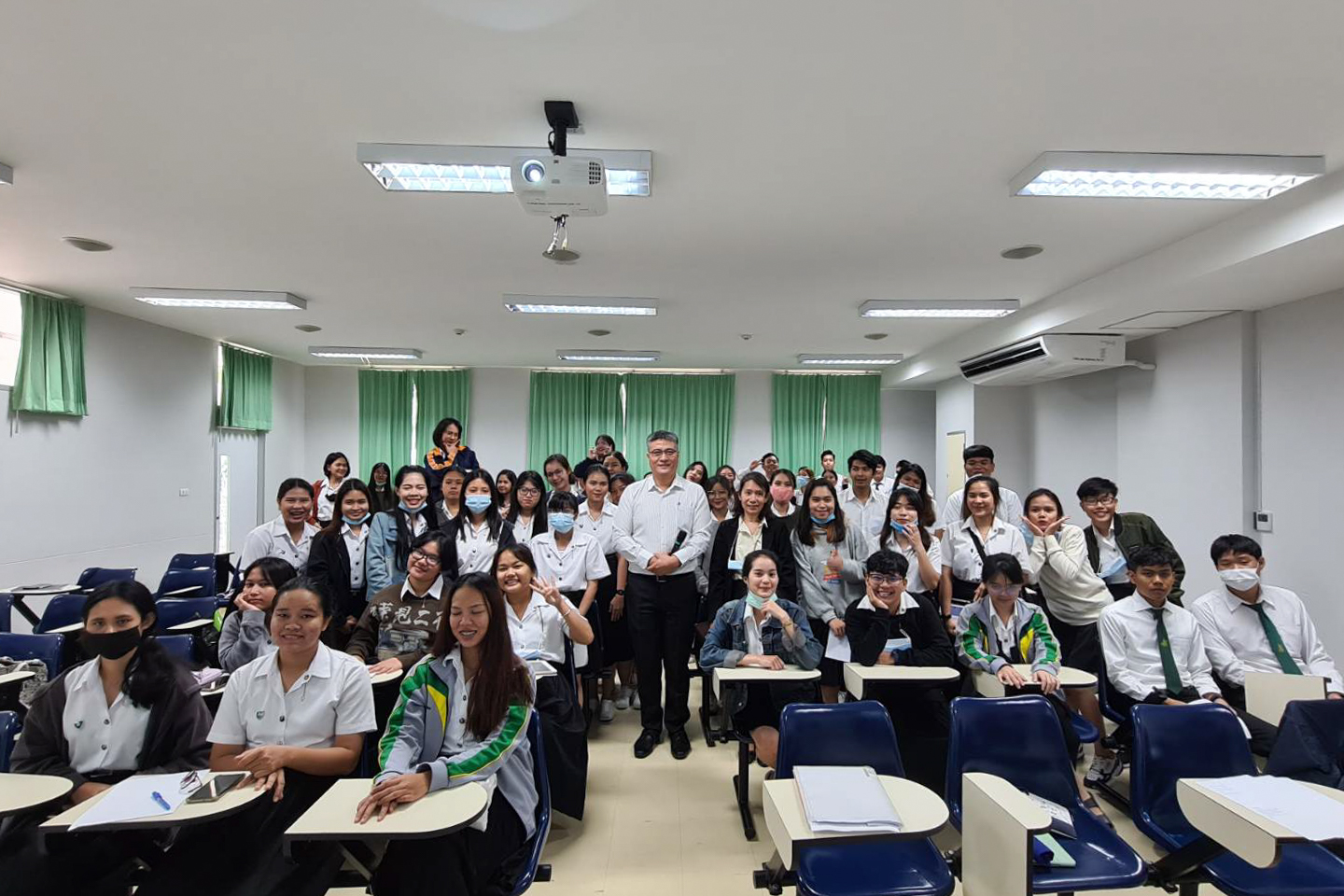
November 10th, 2020; Hutchison Ports Thailand (HPT) recently welcomed 63 students and faculty from Loei Rajabhat University, logistics and supply chain majors to a presentation of export business and Terminal D management. The presentation was aimed at providing port business knowledge to the participants.
October 28th, 2020; Mr. Anat Machima, Senior Operations Manager of Hutchison Ports Thailand (HPT) was honored to attend the Faculty of International Maritime Studies, Kasetsart University, Sriracha Campus to join a lecture as a special guest speaker on the topic of “Port Efficiency Management.”
The lecture was part of the Memorandum of Agreement (MOA) between Hutchison Ports (Thailand) Limited and the Faculty of International Maritime Studies, Kasetsart University Sriracha Campus.
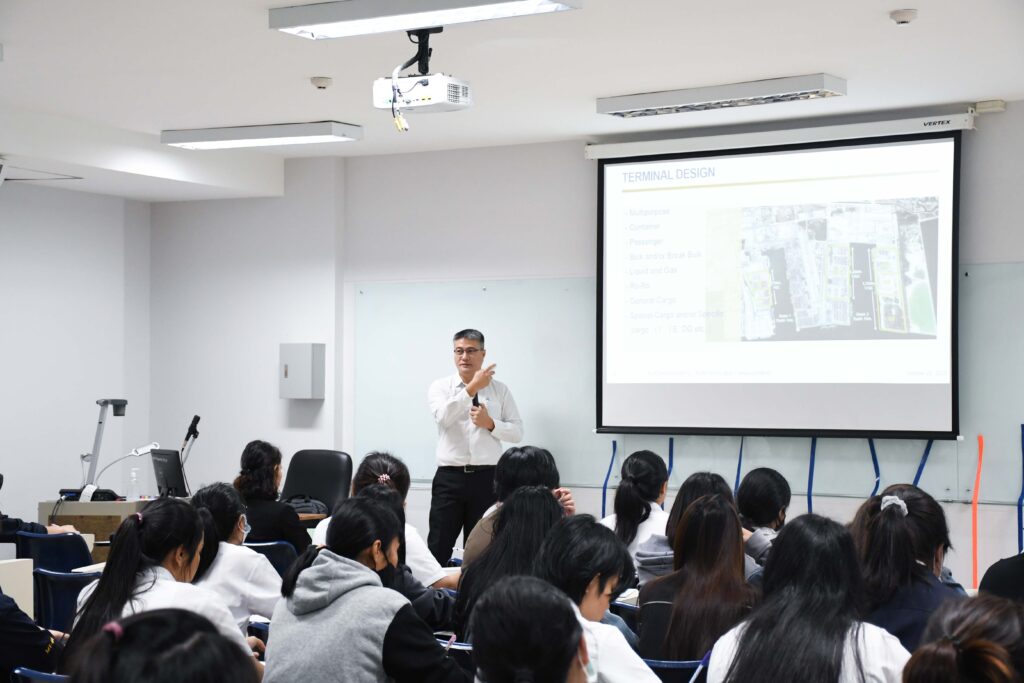
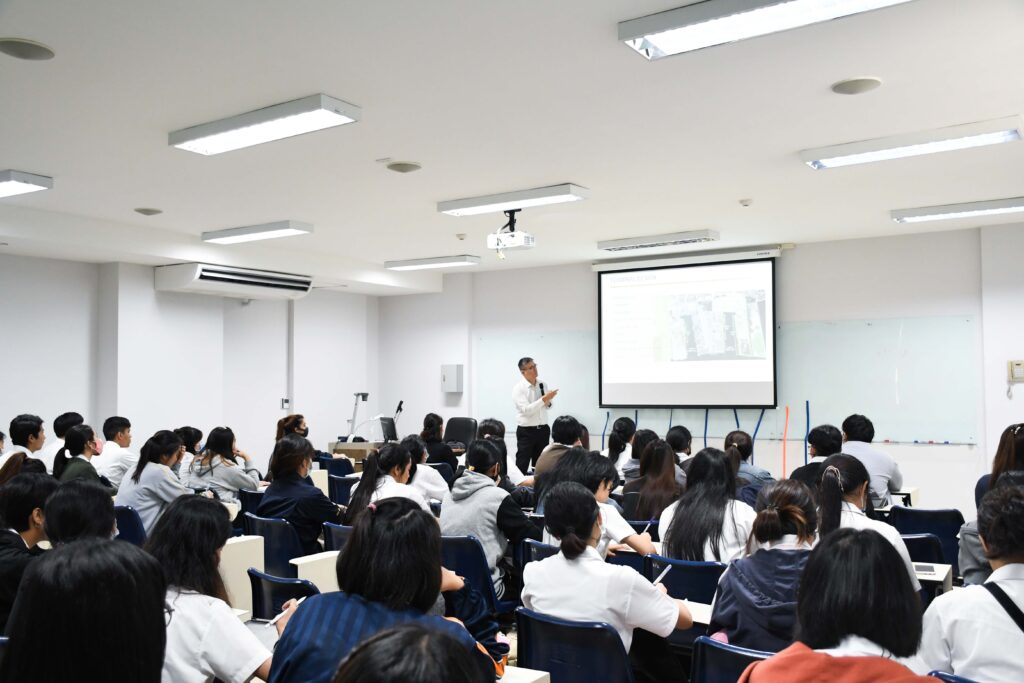
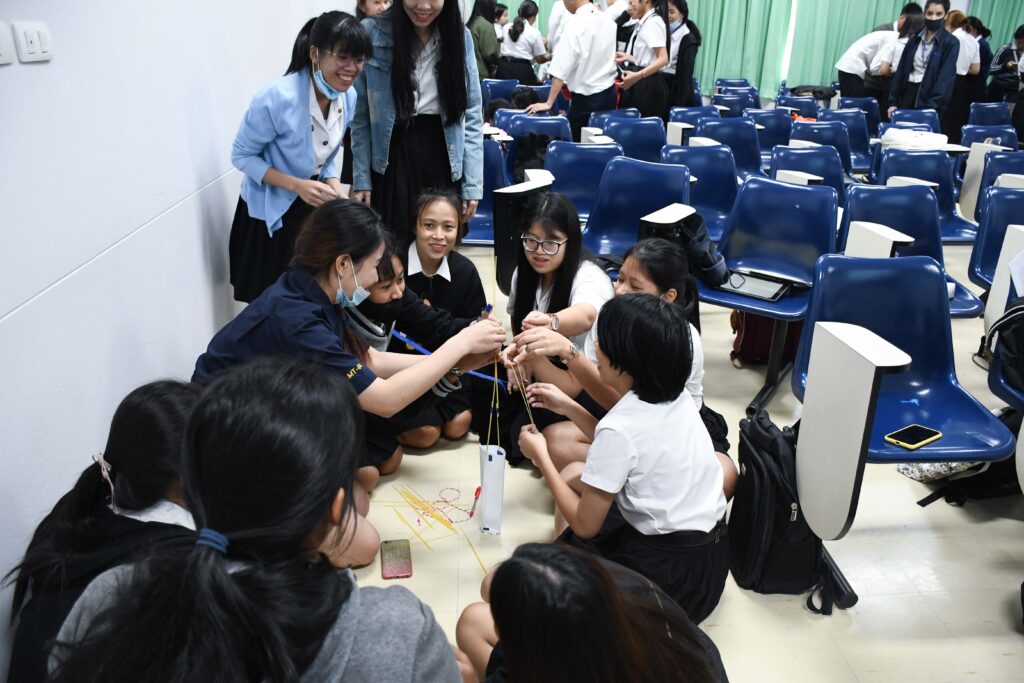
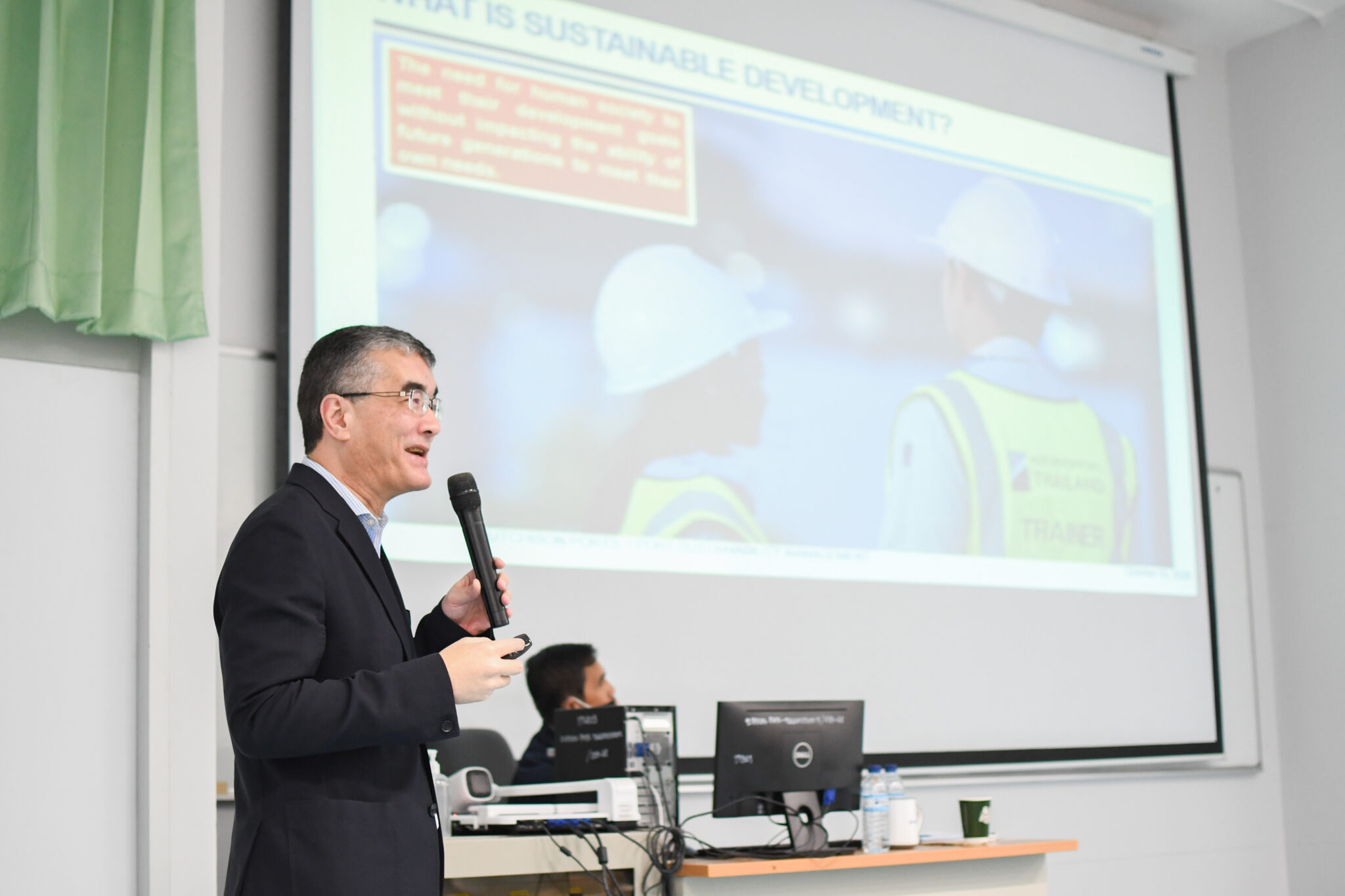
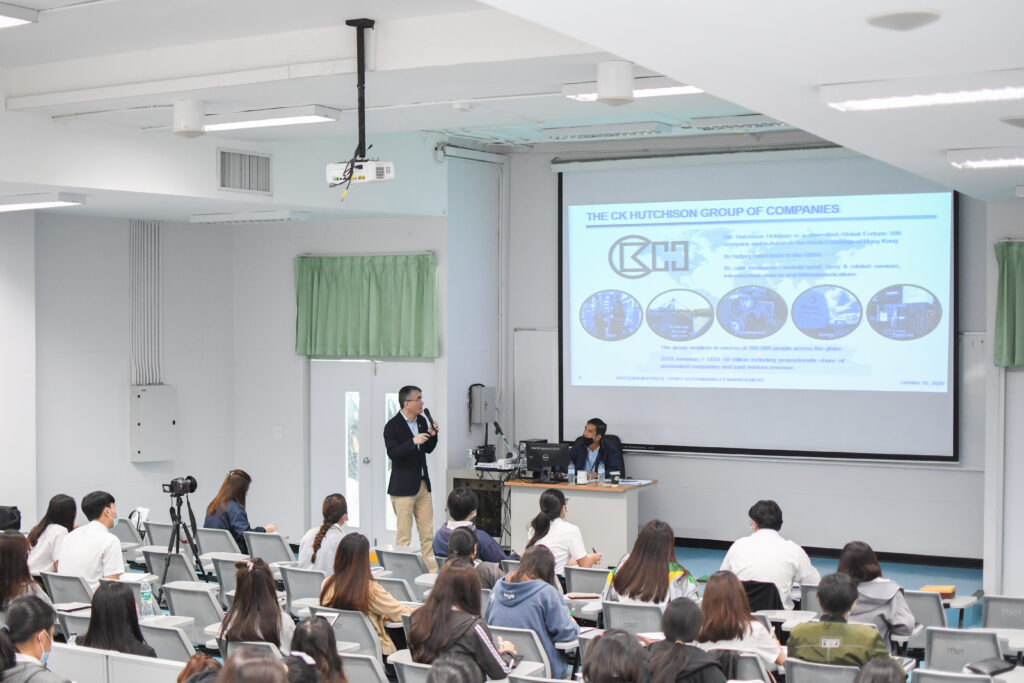
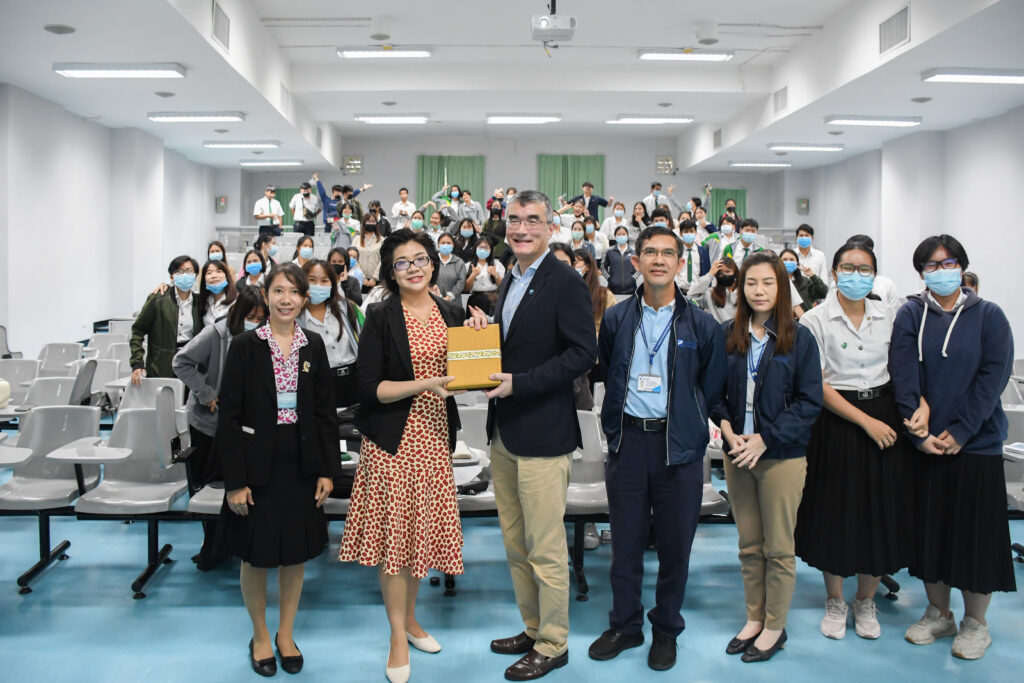
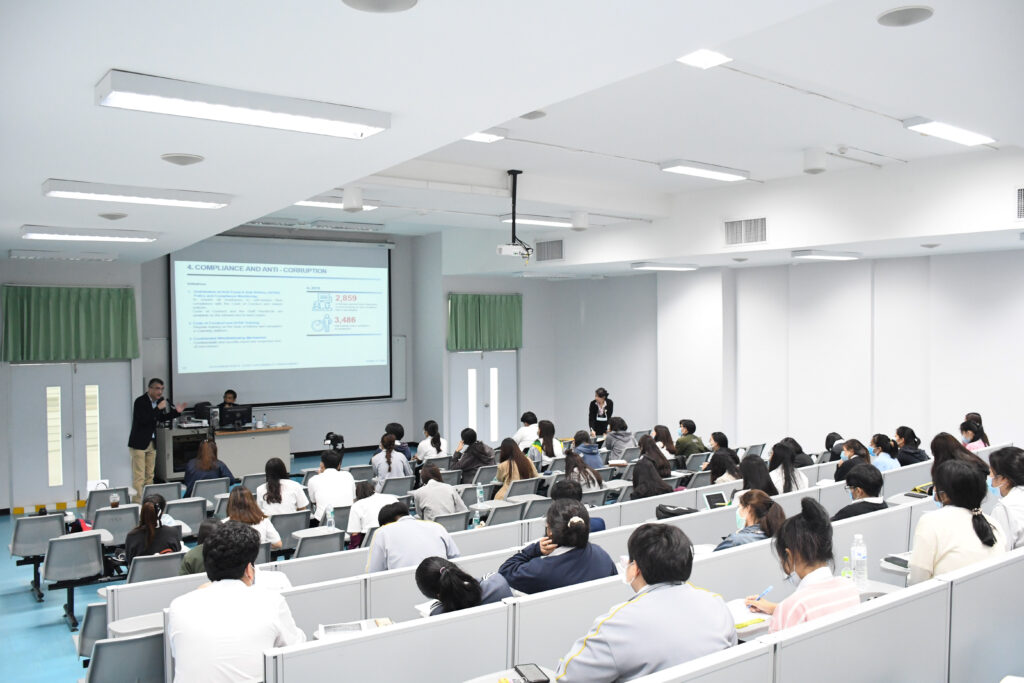
“October 15th, 2020; Mr. Stephen Ashworth, Managing Director of Hutchison Ports Thailand (HPT) was honored to attend the Faculty of International Maritime Studies, Kasetsart University, Sriracha Campus to join a lecture as special guest on the topic of “Port Sustainability Management.”
The lecture was joined by over 70 attendees, including teachers and students, and this CSR activity was part of the Memorandum of Agreement (MOA) between Hutchison Ports Thailand and the Faculty of International Maritime Studies, Kasetsart University Sriracha Campus.”
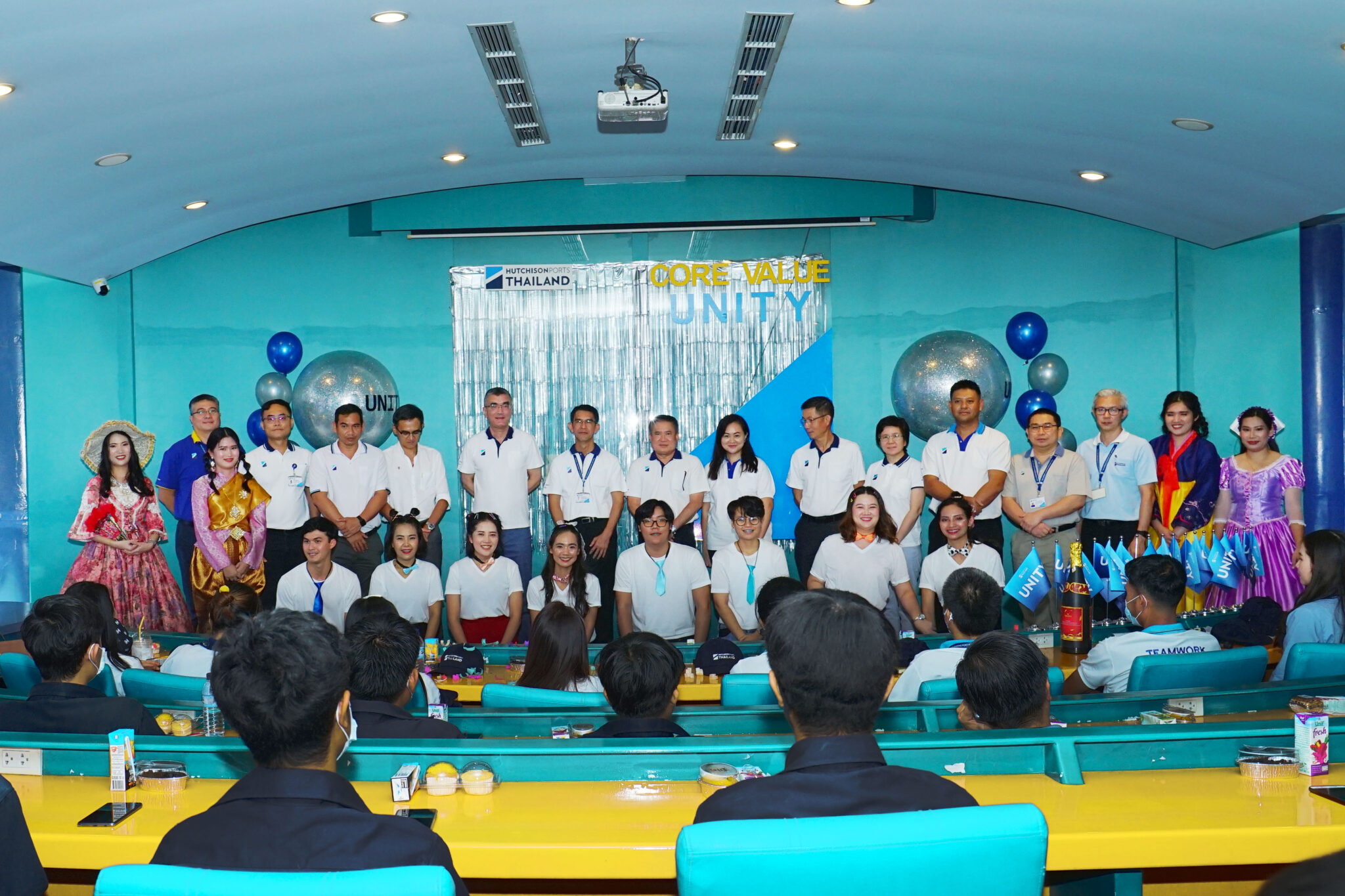
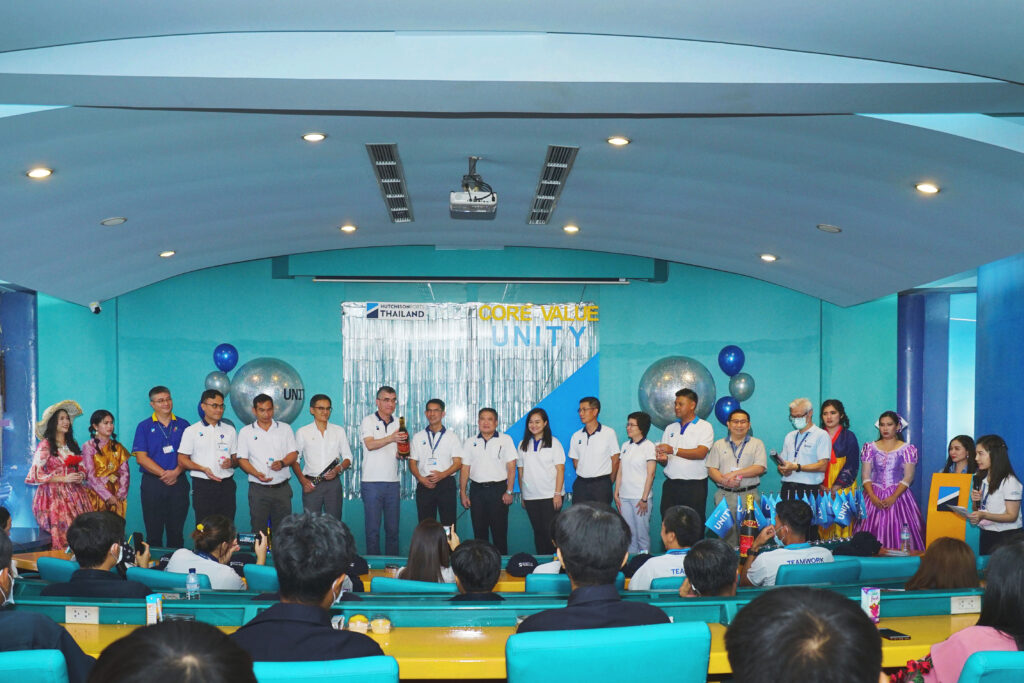
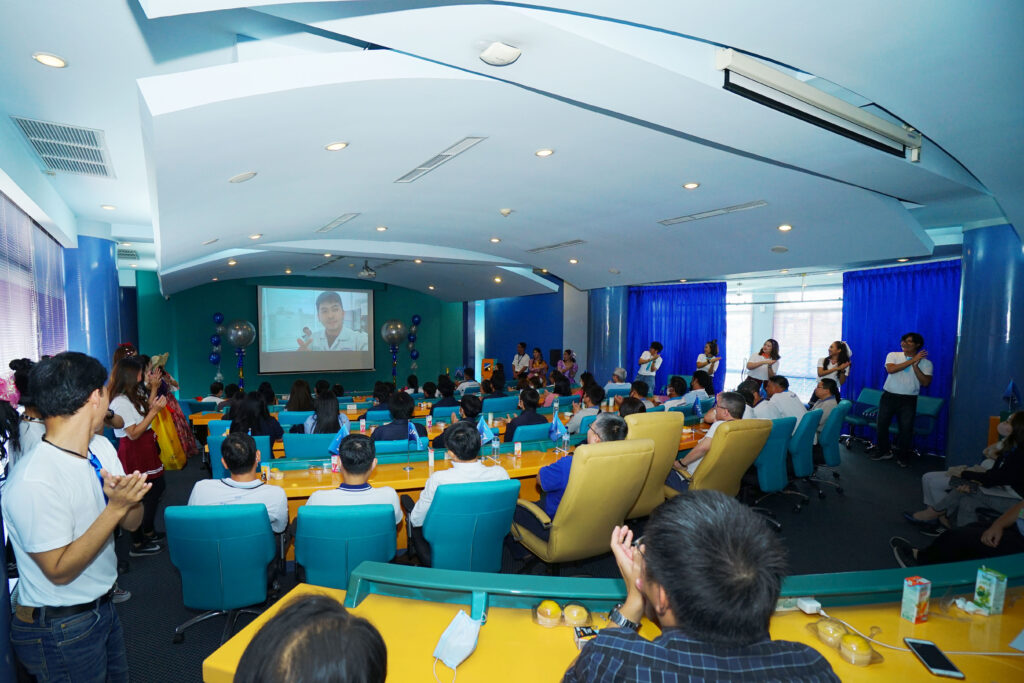
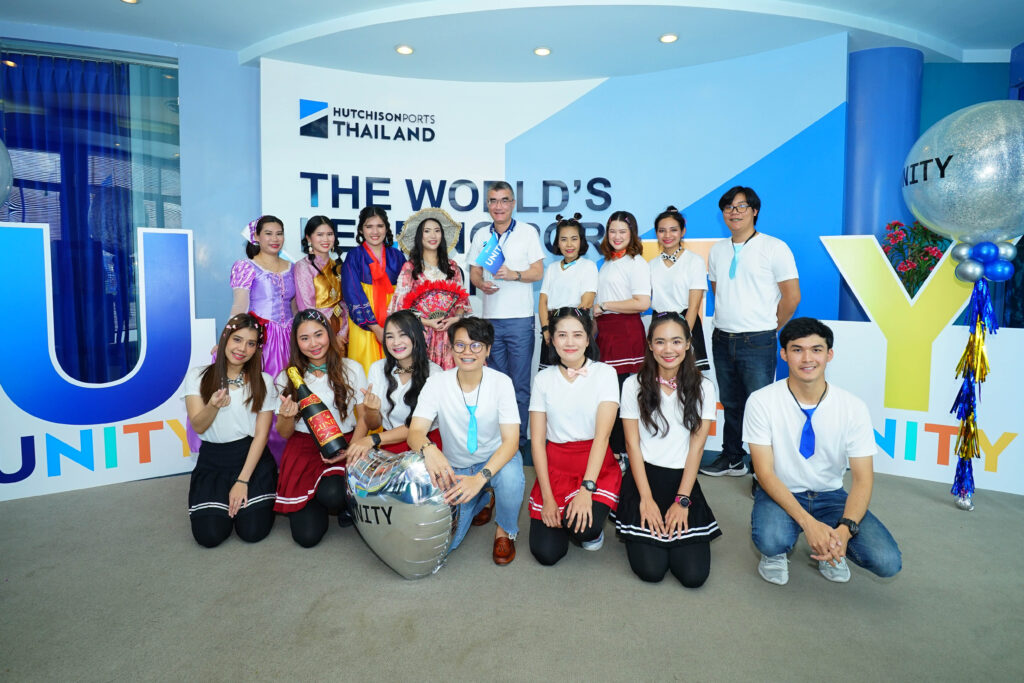
On September 29th, 2020, Hutchison Ports Thailand (HPT) organized an event to celebrate the end of a programme to instill the UNITY behaviours and core values into the day-to-day working lives of its employees.
During the event, Mr. Stephen Ashworth, Managing Director of HPT congratulated everybody on this significant milestone and presented miniature UNITY flags to representatives of every department to mark this special occasion
Read more about Hutchison Ports’ UNITY core values here: https://bit.ly/36fIDVH