
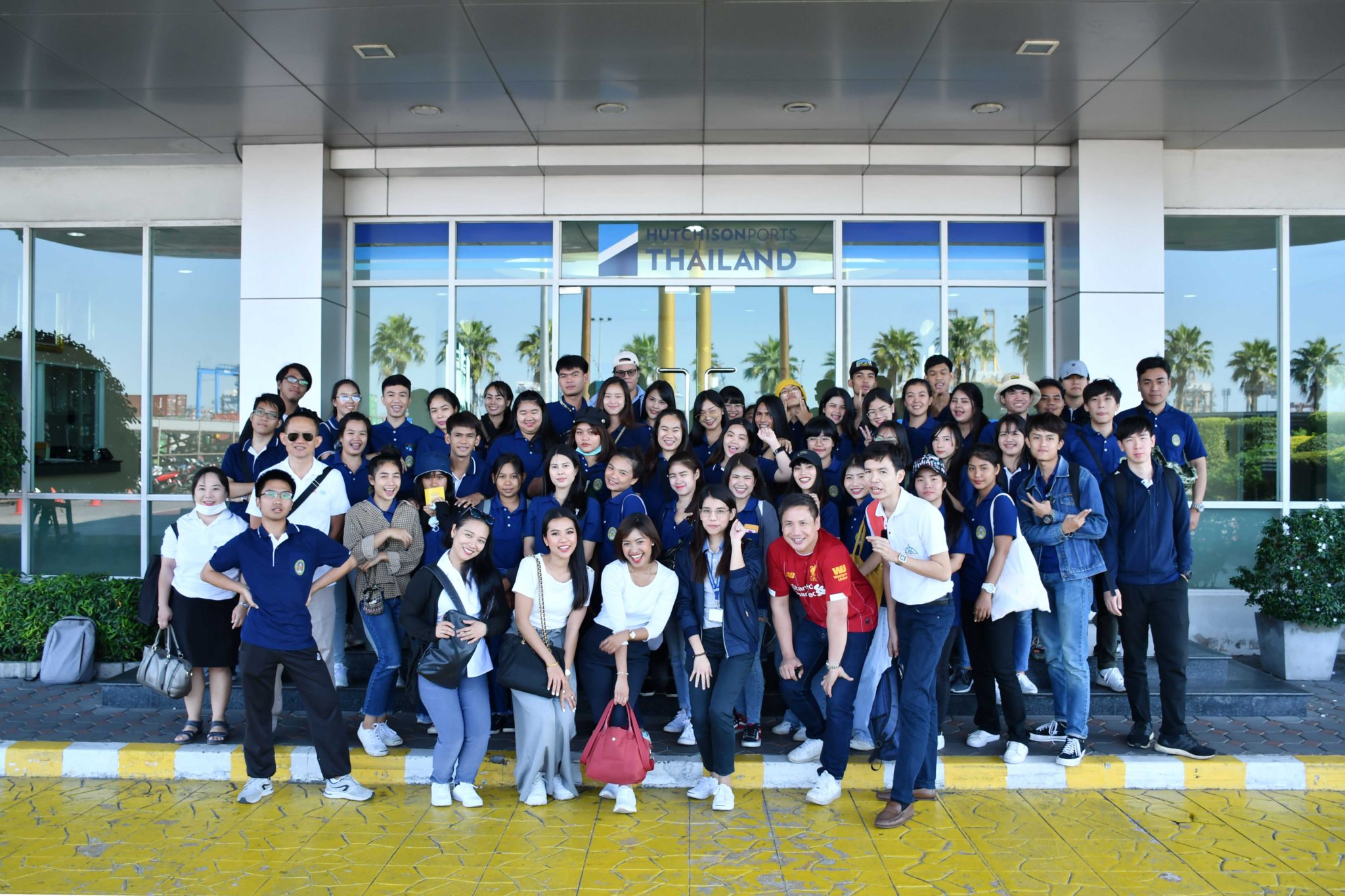
January 28th, 2020; Hutchison Ports Thailand (HPT) recently welcomed 60 participants from Faculty of Humanities and Social Sciences, Phranakhon Rajabhat University for a presentation, which focused on port management. The presentation was aimed at educating an effective management techniques and skills, in hopes that the participants would be able to apply such knowledge to their works in the future.
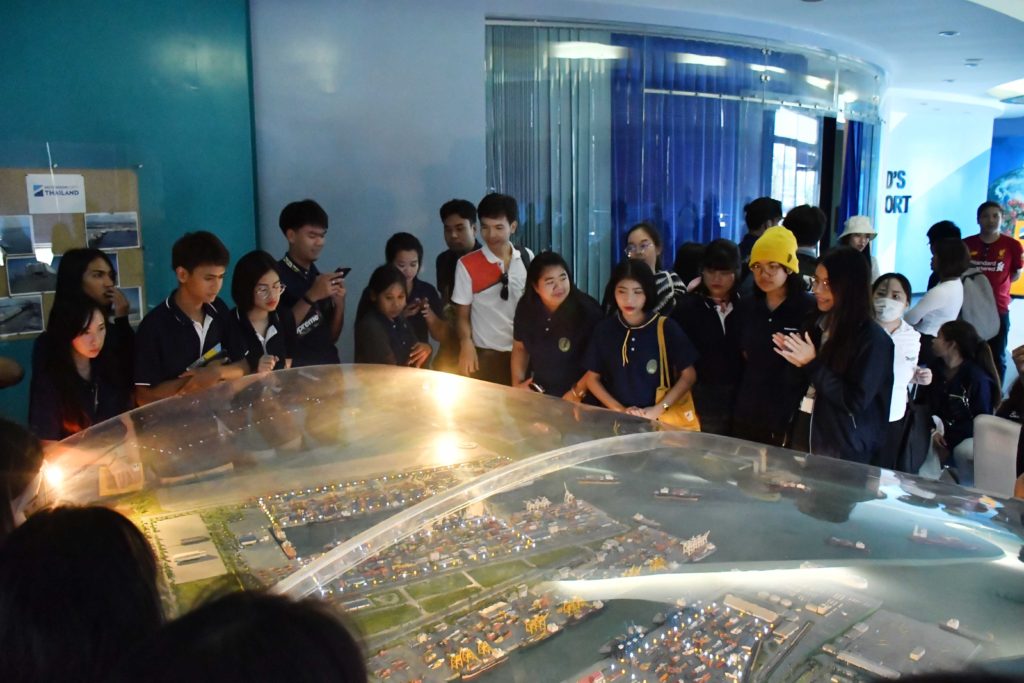
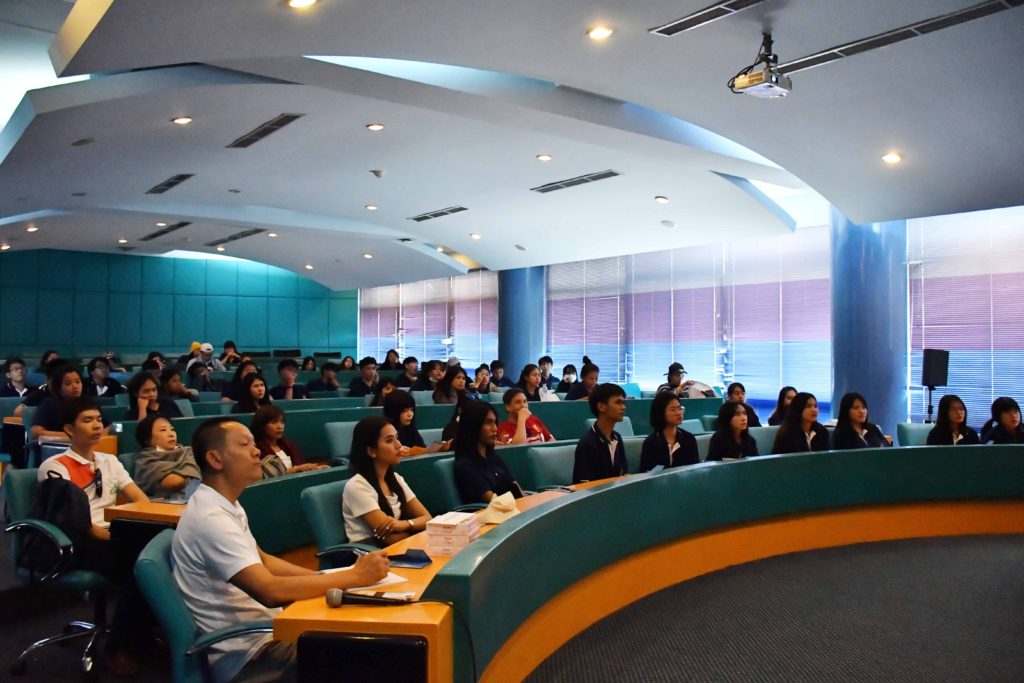
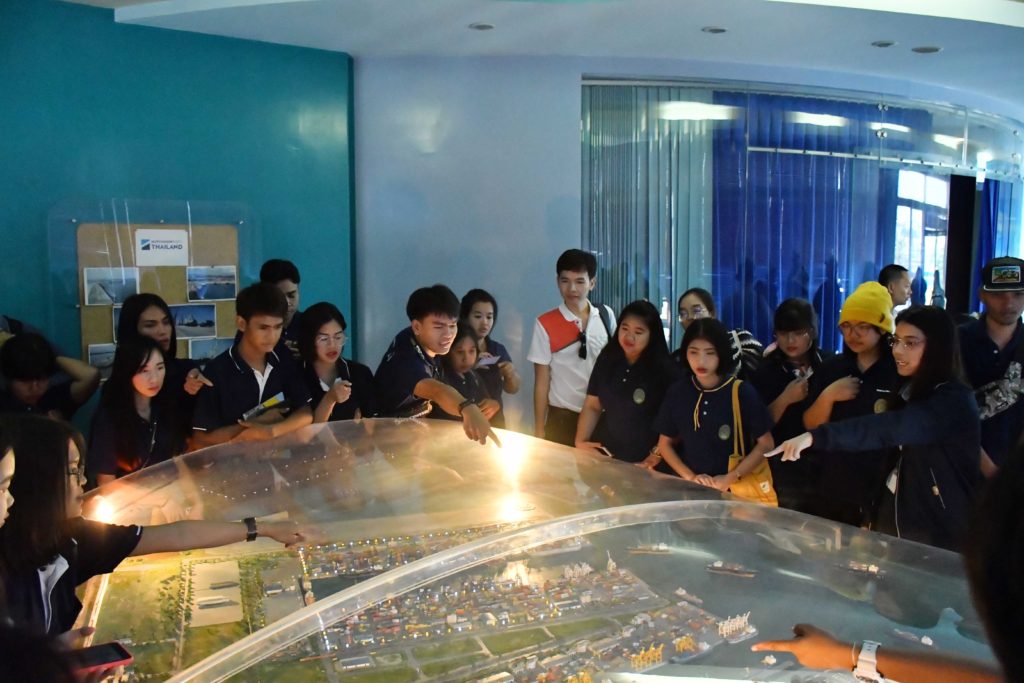
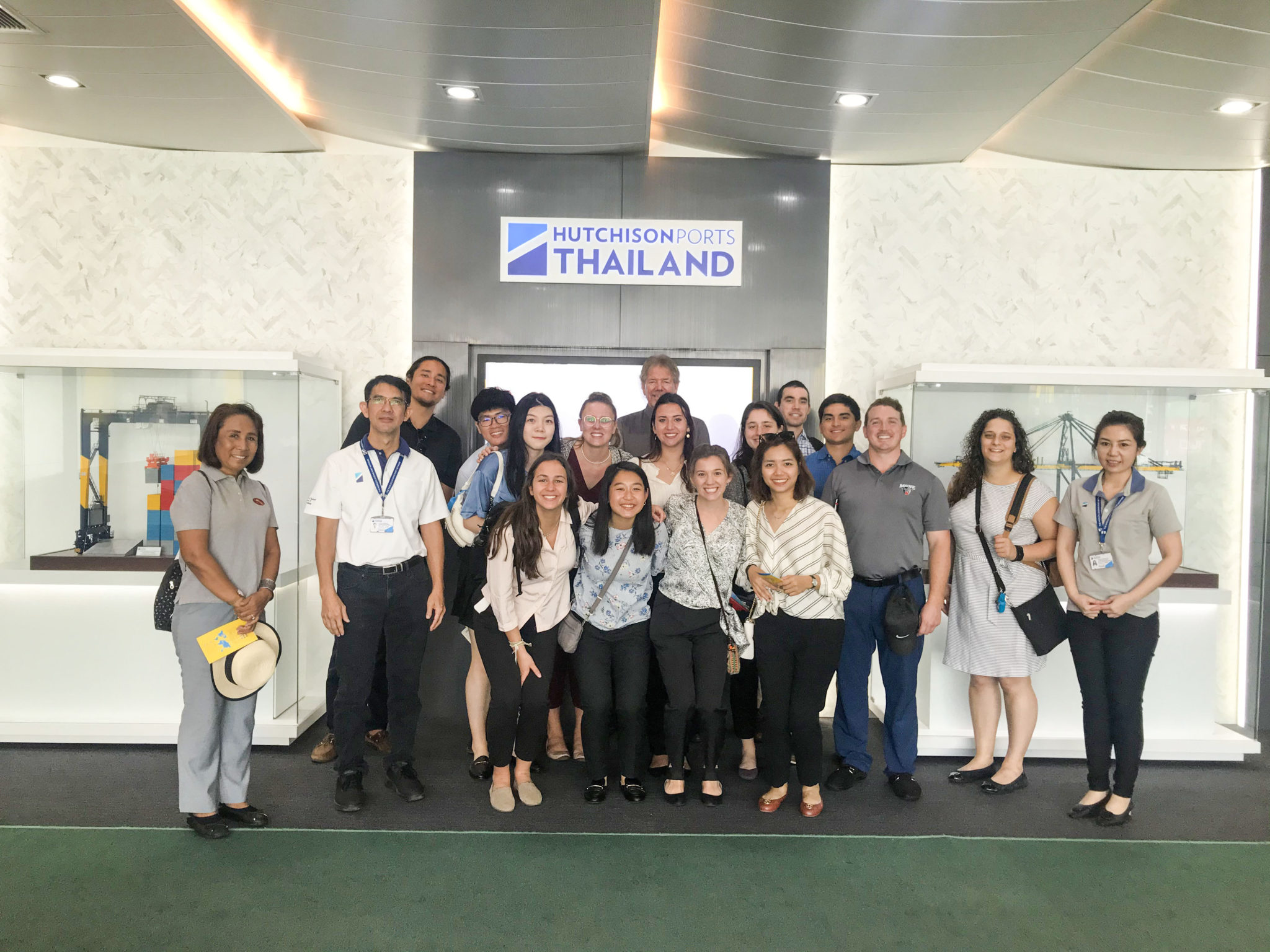
January 13th, 2020; Hutchison Ports Thailand (HPT) recently welcomed 15 MBA students from the Raymond A. Mason School of Business, which is located in Williamsburg, USA to the Visitors Centre, Terminal D. The participants were given an overview of Thailand’s logistics business, before they joined a presentation of container operation with the latest remote-controlled technology.
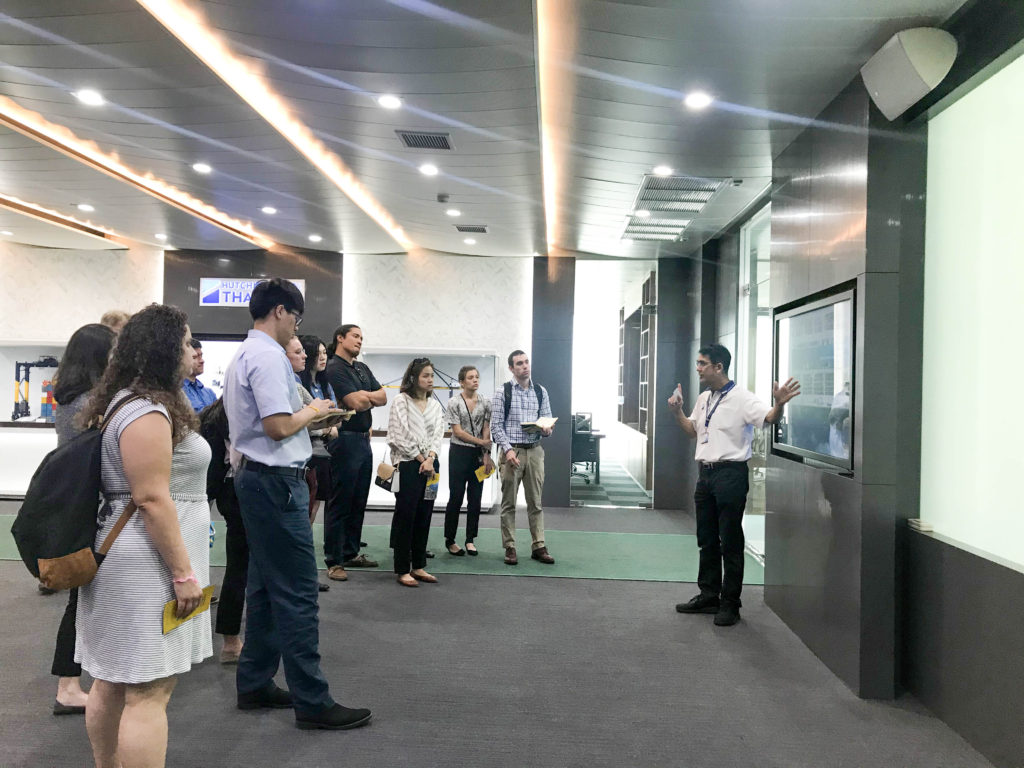
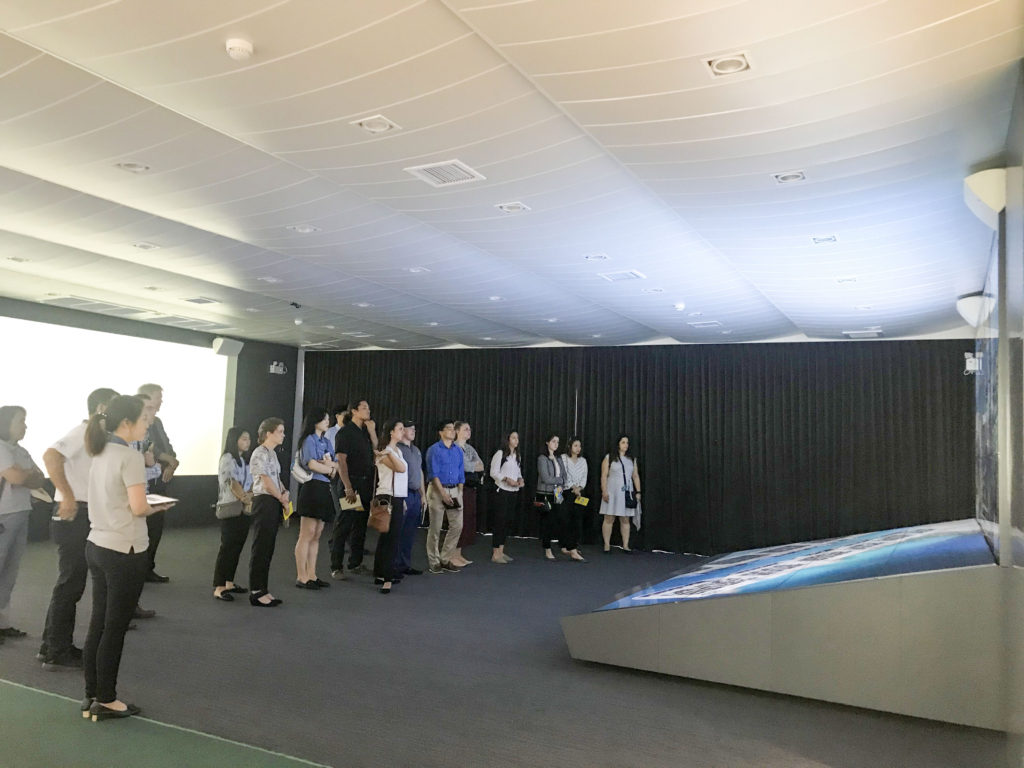
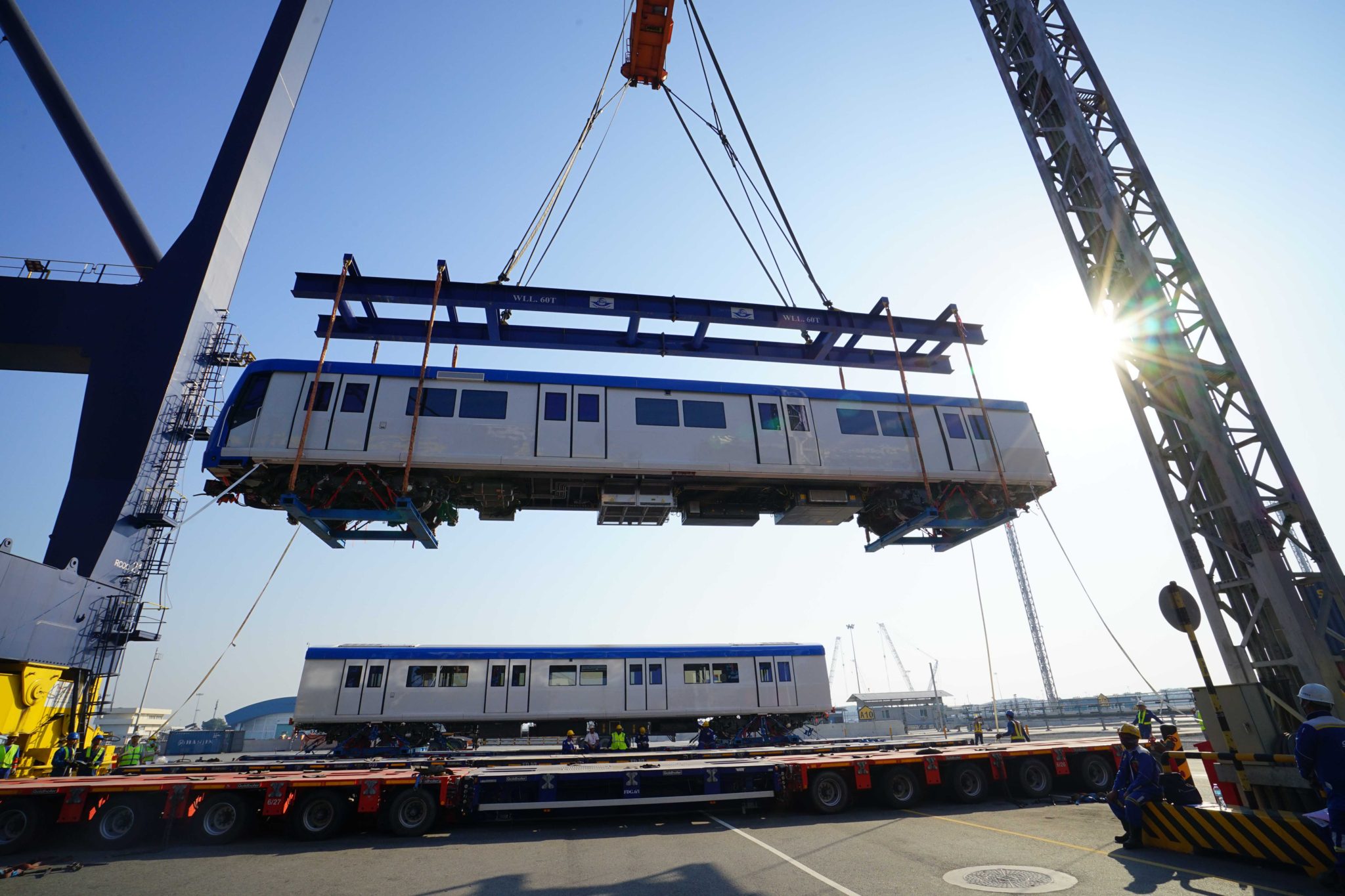
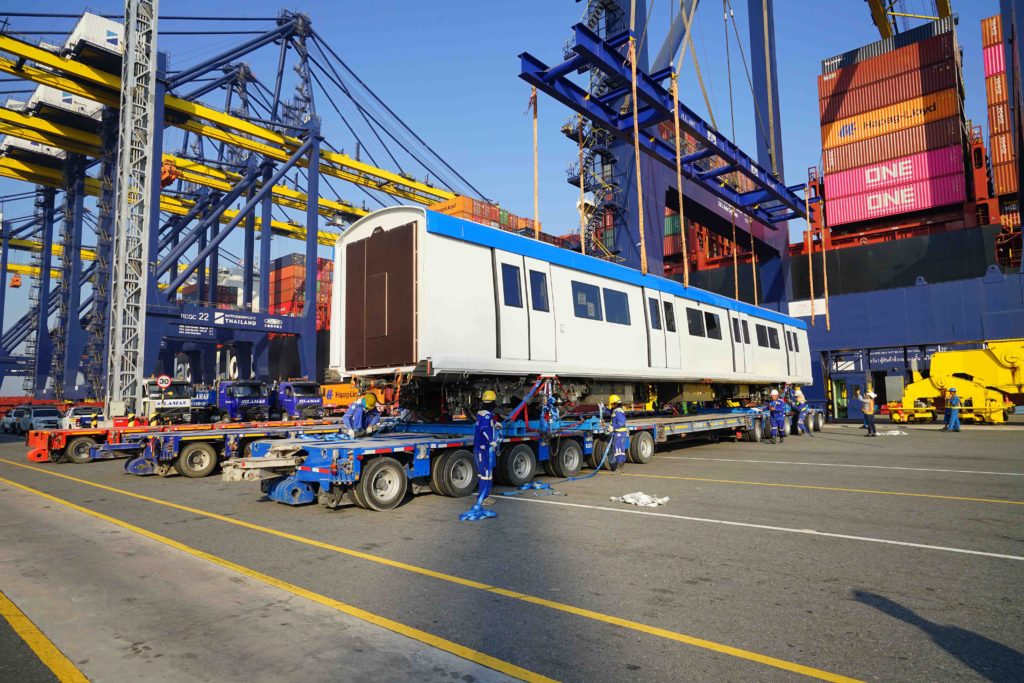
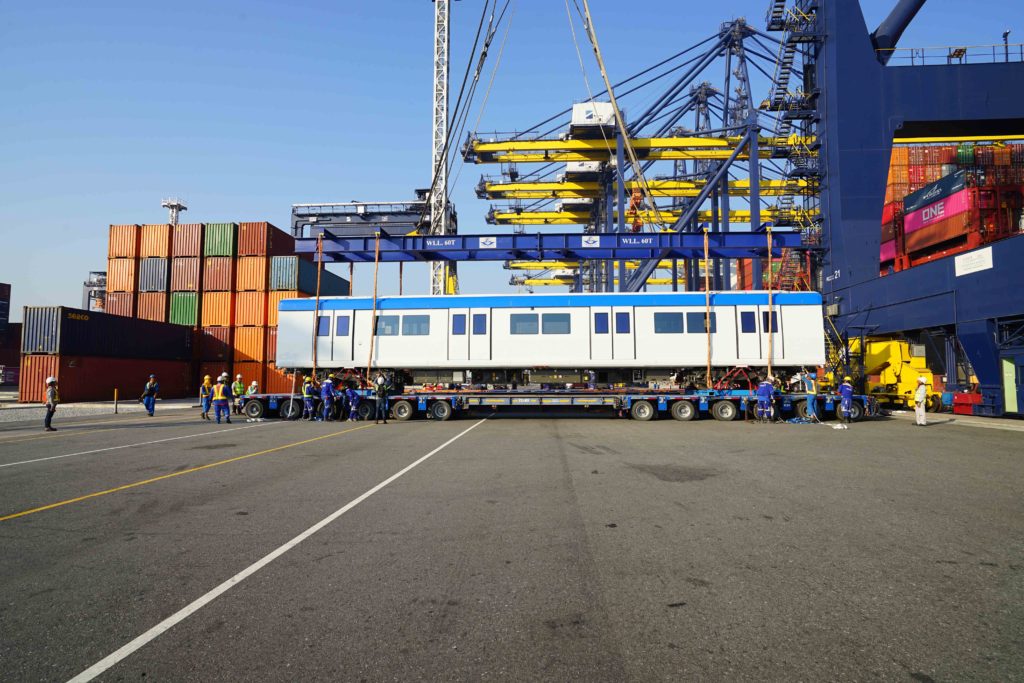
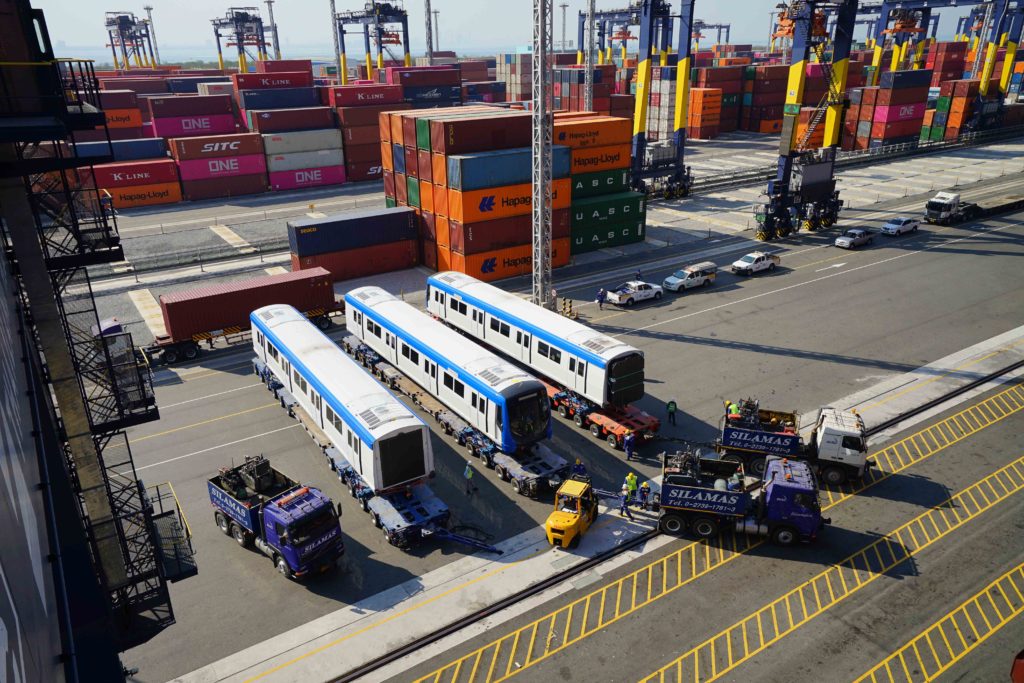
January 4, 2020: At Hutchison Ports Thailand’s Terminal D, three train bogeys destined for Bangkok’s MRT Blue Line were discharged from the vessel M.V. BASLE EXPRESS. The bogeys were handled swiftly and safely by remote-controlled ship-to-shore cranes equipped with special handling equipment. To date, Terminal D has handled 84 train bogeys for the MRT Blue Line which will play an important role in the continued infrastructure development of Thailand.
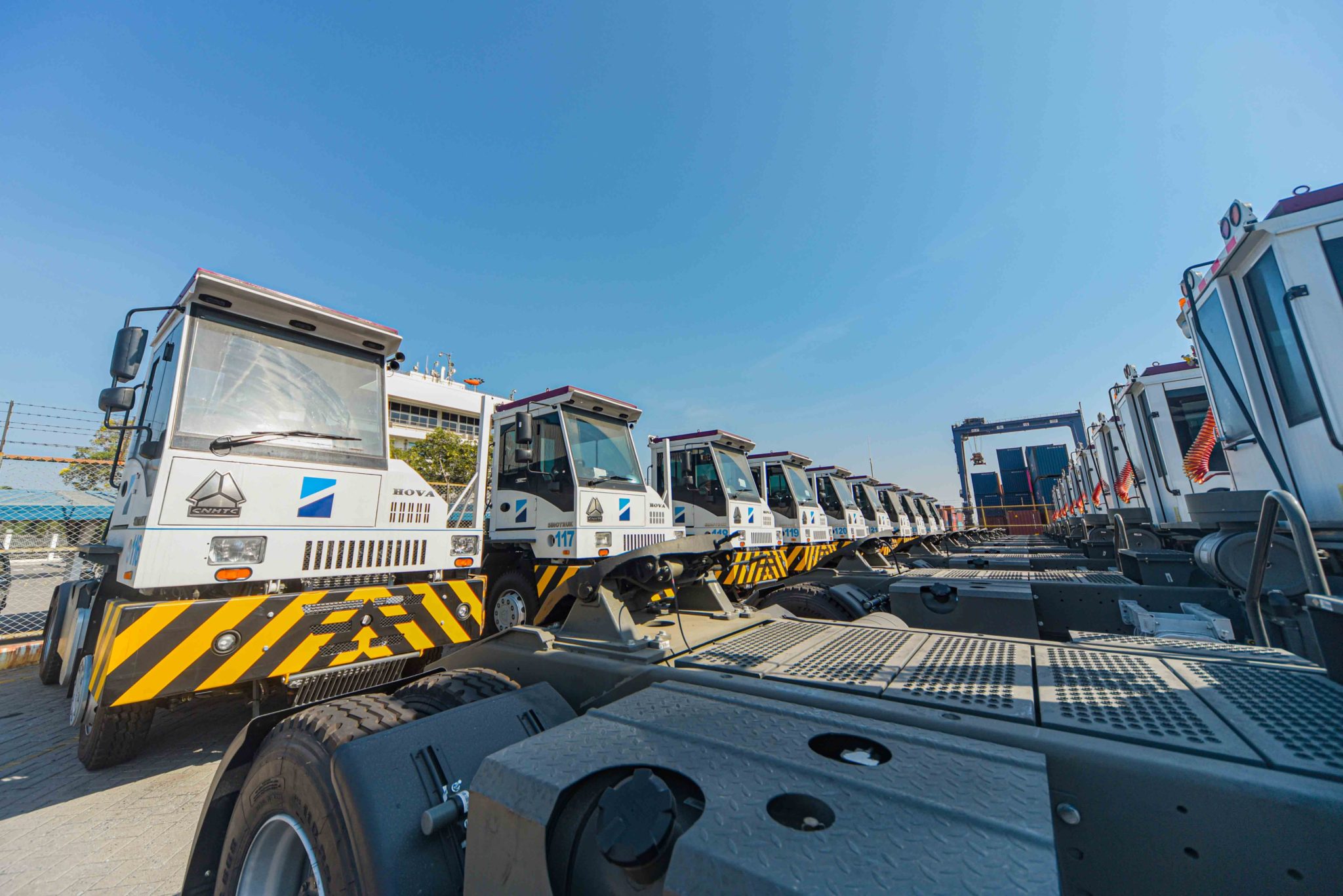
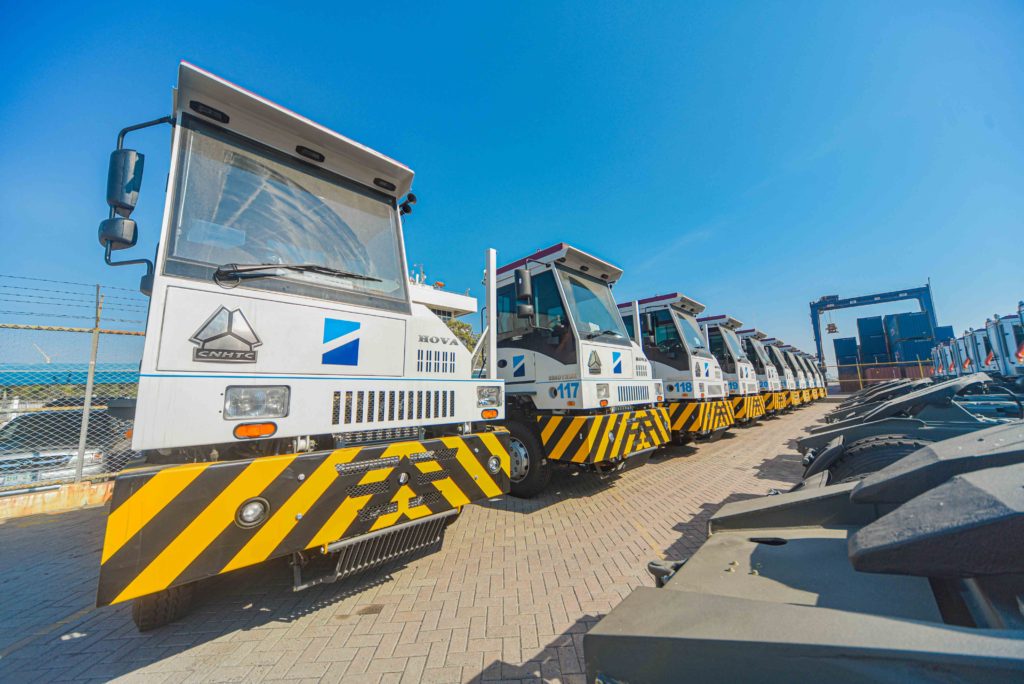
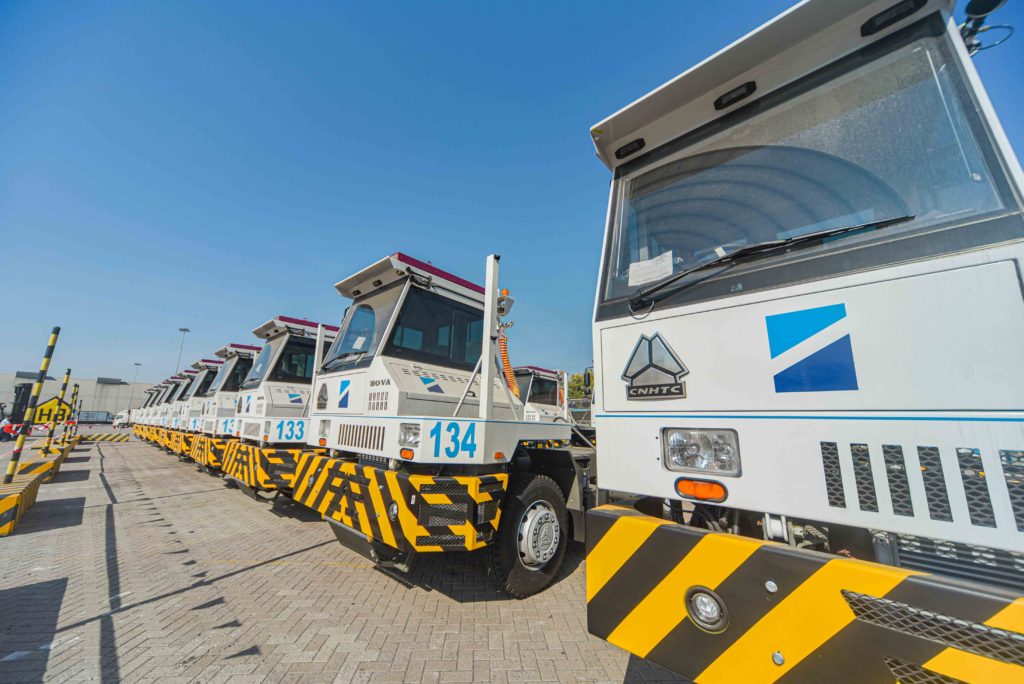
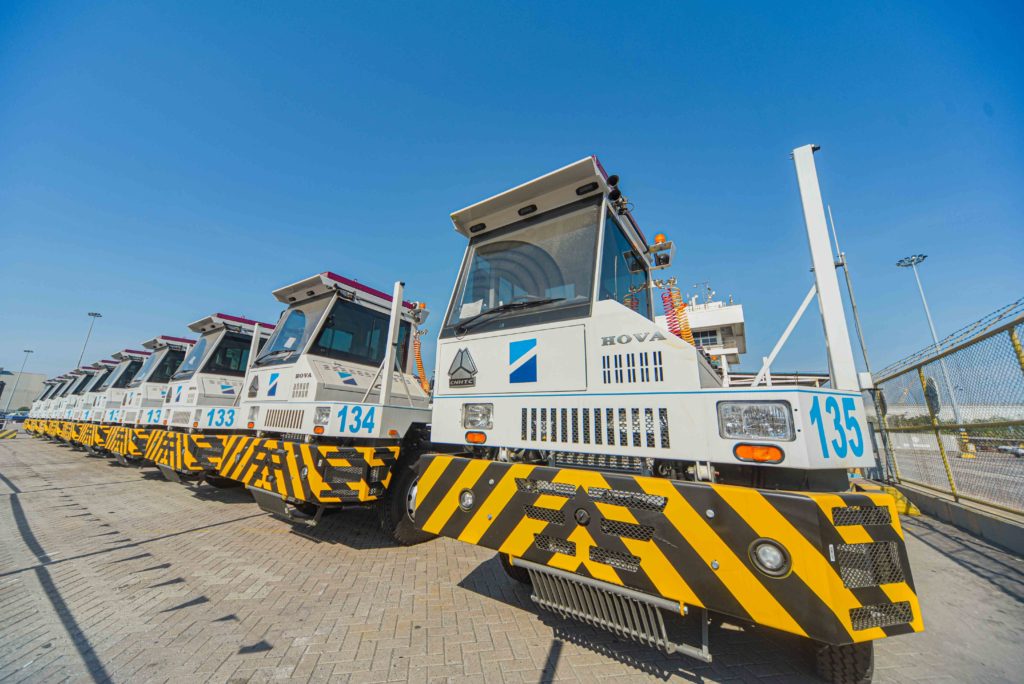
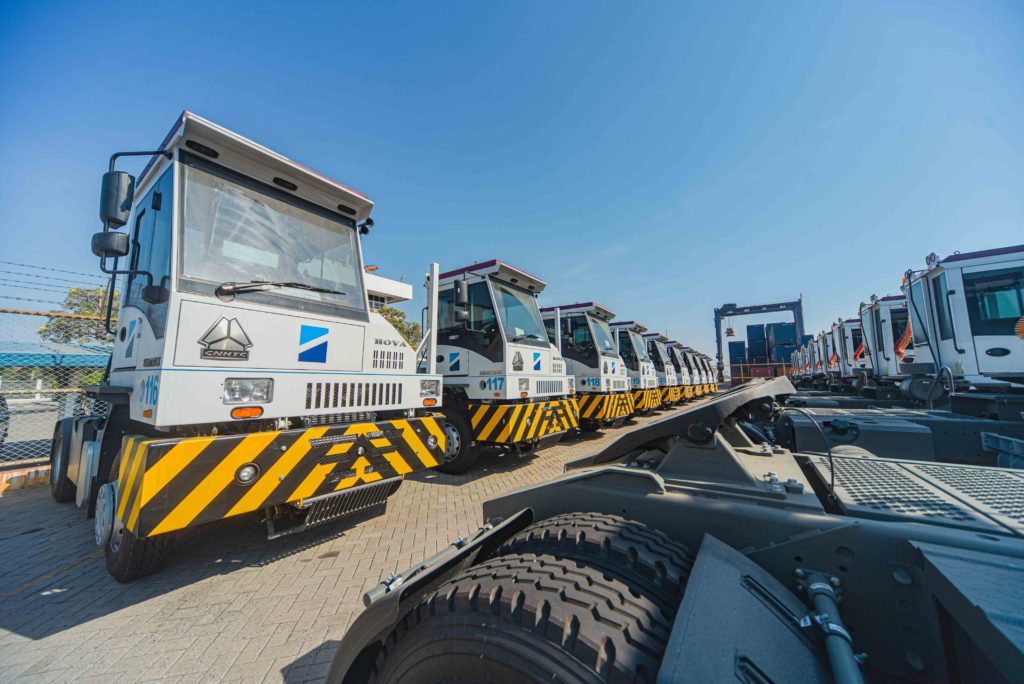
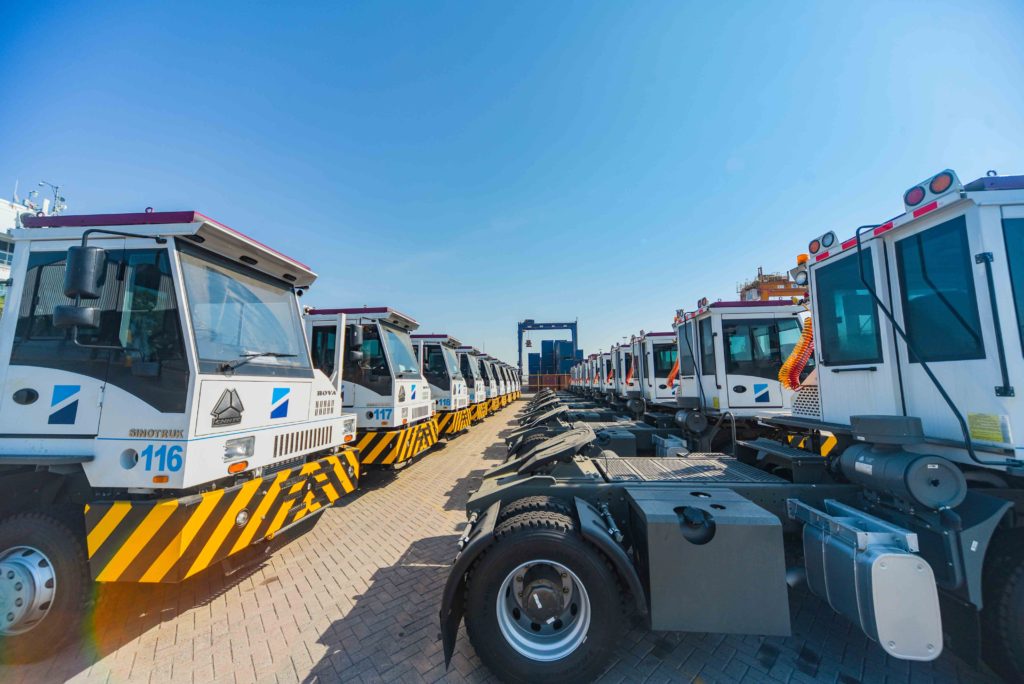
December 9th, 2019; Hutchison Ports Thailand (HPT), the largest terminal operator in Thailand, recently welcomed twenty terminal tractor heads and chassis. The terminal tractor heads will be operated inside Terminal D, Laem Chabang Port. This latest investment reflects HPT’s concern towards their staff being able to work with quality equipment. The investment is also part of HPT’s plan to continuously expand themselves as well as their customers base within Thailand. Upon completion of Terminal D, the terminal will be able to support some of the world’s largest vessels, with 1,700 meters of quay length. Equipped with the latest technologies such as the remote-controlled system for its 17 quay cranes and 43 rubber tyred gantry cranes, the annual throughput capacity of Terminal D is expected to be around 3.4 million TEUs.
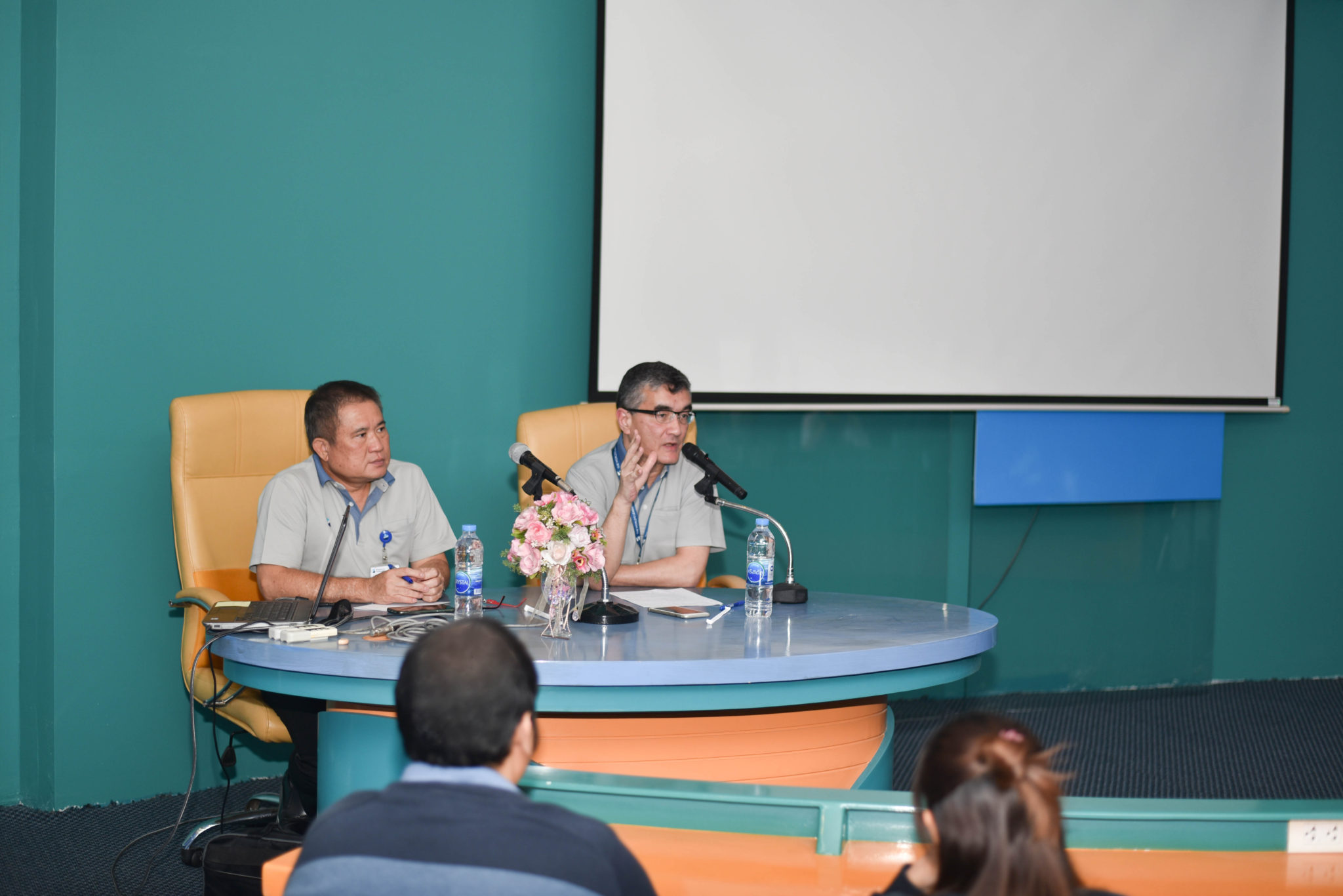
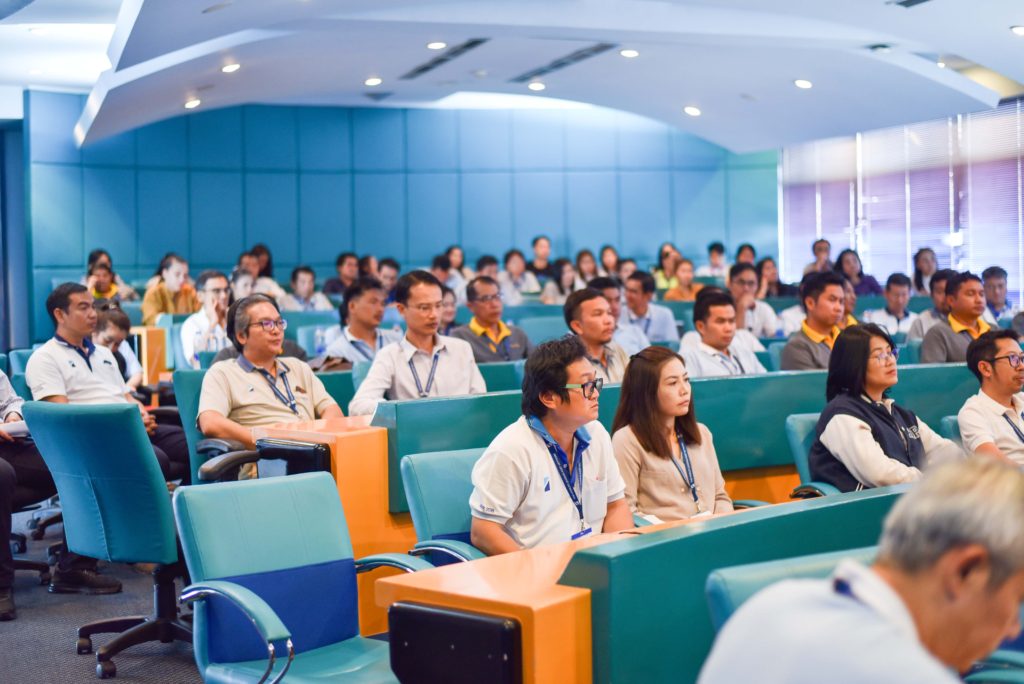
The objective of this meeting, which was held at terminal C1C2, Laem Chabang Port was to provide company goals to target, along with giving management and staff opportunity to share opinions on various issues and to interact with each other, in order to have a better understanding of some of the issues surrounding their day-to-day tasks.
The Push
The world’s continuing need to grow and develop economically has, without a doubt, had an adverse impact on our environment. The current global focus on finding ways to minimise our combined carbon footprint in order to develop in a sustainable way, reflects just how critical this challenge has become for all of us. “It has also become a very important issue for Hutchison Ports, not just in Thailand, but in all of our 52 ports globally,” said Mr. Stephen Ashworth, Managing Director of Thailand & South East Asia for Hutchison Ports, regarding the origin and vision of Hutchison Ports’ endeavour of becoming a global leader in sustainable terminal operations.
“This issue is particularly important for the younger generations. When our managers are interviewing young people to join the company, a lot of them are asking about our environmental policy. It is clear that we must now do something for the next generation as we owe it to ourselves and future generations to leave this world in a better condition than the one we inherited,” he continued.
Another drive for Hutchison Ports’ green port mission is the fact that many ocean carriers are embracing IMO 2020, which is the International Maritime Organization’s regulation on reducing sulphur emissions to 0.5 percent from today’s average of 3.5 percent starting in January 2020.
“Our customers, the shipping lines themselves, are going to feel the impact of the IMO 2020 requirements and this is beginning to have an impact on us as port operators as well. For example, an increasing number of shipping lines are asking us to provide shoreside electrical power to their vessels while on berth so that the engines can be shut down in order to reduce fuel consumption,” said Mr. Ashworth.
For the first time ever, Hutchison Ports has established a group environmental committee with Mr. Ashworth as a co-chairperson alongside Mr. Clemence Cheng, Managing Director for Europe. The committee found that certain terminals in Europe, for instance, have already commenced their journey towards becoming a green port while some terminals in regions, such as South East Asia, need to do a bit of catching up.
“There are several factors to consider. The idea of this committee is to start to bring some sort of alignment within our Group in terms of overall thinking about sustainable development. I don’t think the committee is expecting a small feeder terminal in, say the Middle East or South East Asia to immediately embark on a programme to electrify all of its ship-to-shore and yard cranes or to introduce automated electric trucks. It’s more about working within a realistic timeline, but in parallel identifying the “low hanging fruit” environmental initiatives which we can check off the list first. This might be as simple as developing policies to reduce plastic waste, switching off lights when out of the office or reducing paper usage,” Mr. Ashworth explained.
The Port
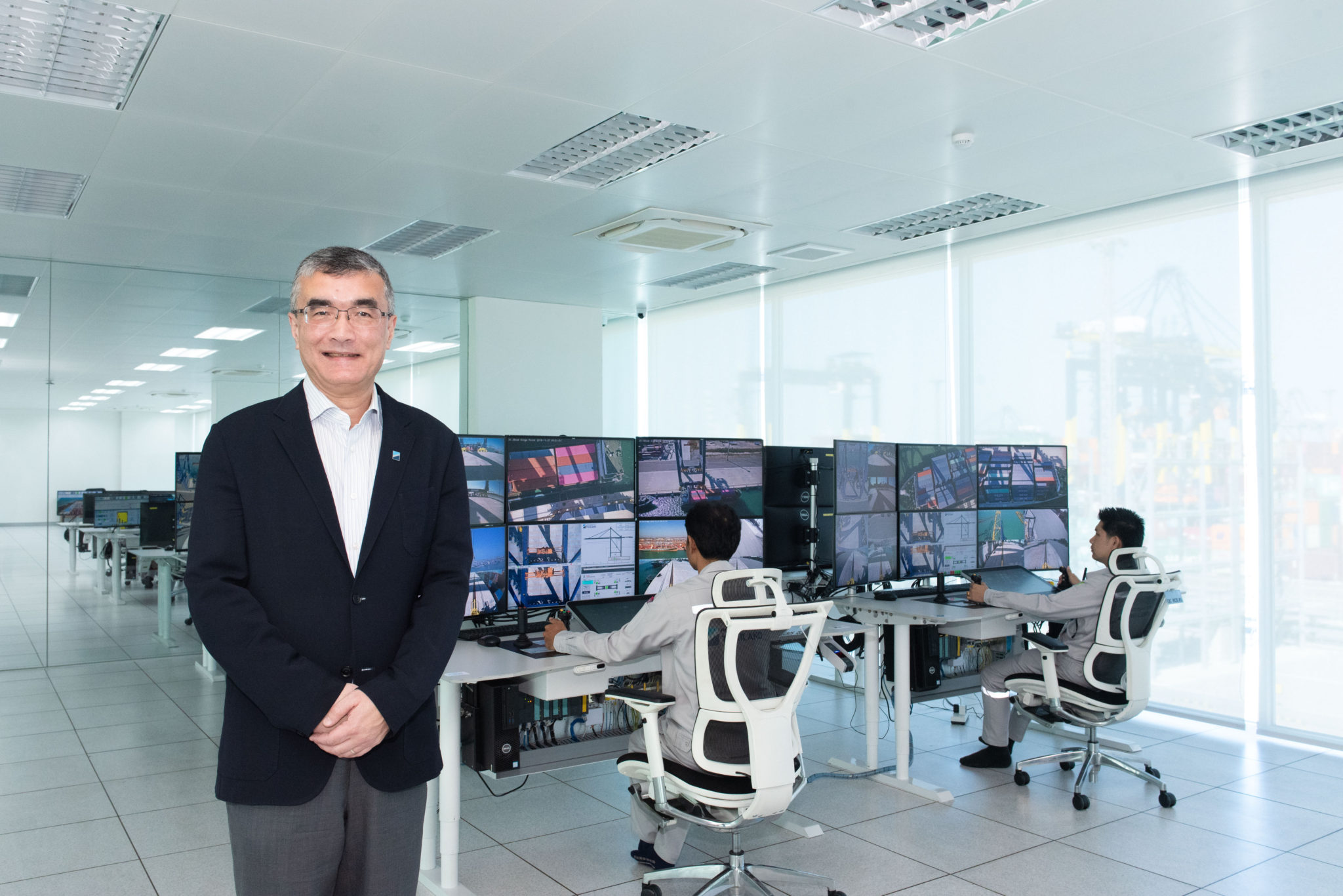
As part of Hutchison Ports’ global initiative, Hutchison Ports Thailand is moving full throttle as a clean energy container terminal with their currently under-construction Terminal D at the nation’s premier port at Laem Chabang. “Terminal D is a very good example of where we are effectively moving towards achieving a green port status. All of our remote-controlled ship-to-shore and rubber tyred yard cranes are electrically operated, which is a solution for emissions at the terminal. If you then take into consideration the newly installed conductor bars for the yard cranes, you also have a partial solution for noise pollution,” said Mr. Ashworth.
Mr. Ashworth also revealed Terminal D’s next step to improving its status as a green port will come with the digitalisation of its land side processes. “We are going to automate the gate in such a way that the external truck driver doesn’t have to carry any paper. The driver will have a card which can be inserted or swiped in a machine at the gate and the system will immediately recognise them. RFID technology will identify the truck as the driver takes the truck to the appropriate stack in the yard to discharge or load its container. This is like a car park where you go in and come out quickly and easily with your ticket or card.”
He added, “Our terminals in Tanjung Priok Port, Jakarta have already successfully implemented an automated gate system, and as a result, they’ve also noticed a significant reduction in terms of traffic congestion pre-gate due to faster gate processing times. For us, it’s our goal to make this happen in the next two years at Laem Chabang.”
Terminal D will also become Hutchison Ports’ flagship terminal in South East Asia, “For Terminal D itself, one thing that I’m quite proud of is that we are one of the first remote-controlled container terminals for ship-to-shore and rubber tyred yard cranes. We are quite out there. When Terminal D is finished, it will essentially be viewed by users as being a green port,” said Mr. Ashworth.
The People
In the journey to becoming a green port, Hutchison Ports Thailand recognises that the welfare and development of its people is just as, if not more important, than anything else.
Working closely with the port community, Hutchison Ports Thailand has been seeking the most benefits possible for their people. “An equal work-life balance is something that we are conscious of. We are also very conscious about work safety and continually strive for a zero-accident rate at our Laem Chabang Terminals. Remote control operations and the introduction of related technologies such as anti-collision and anti-truck lift sensors for our yard cranes will help with our overall safety objectives,” said Mr. Ashworth.
Mr. Ashworth also added that he was more than pleased to share some of the information and knowledge of Terminal D’s remote-control operations at the recently established Visitors Centre which is welcoming visitors from shipping lines, port users and Thailand’s leading educational institutions.
With the backing and supporting of its Hong Kong based parent company, Hutchison Ports Thailand is certainly making a difference while moving forward on the path towards becoming one of the most environmentally friendly container terminals in the region, by using some of the latest available technologies under a sustainable mindset.
Hutchison Ports (Thailand) Limited will launch an e-Tax Invoice and e-Receipt Service, starting from January 1, 2020. Our valued customers can request the e-Tax Invoice and e-Receipt service (แบบหนังสือตอบรับการขอรับเอกสาร) document via e-mail bc@hutchisonports.co.th Please feel free to contact the Finance Department at: Tel 038-408700 ext.1331, 1334 or e-mail bc@hutchisonports.co.th
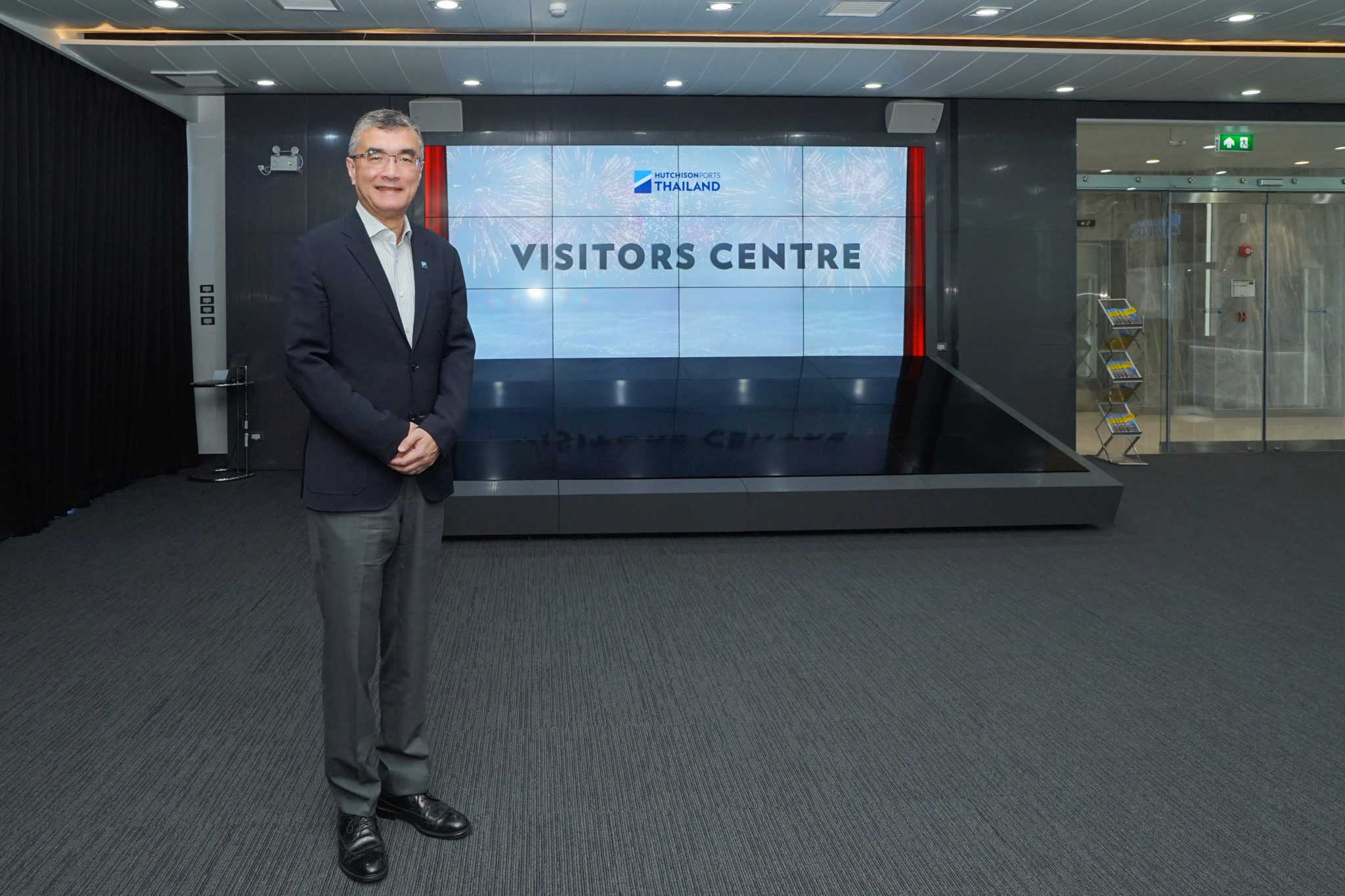
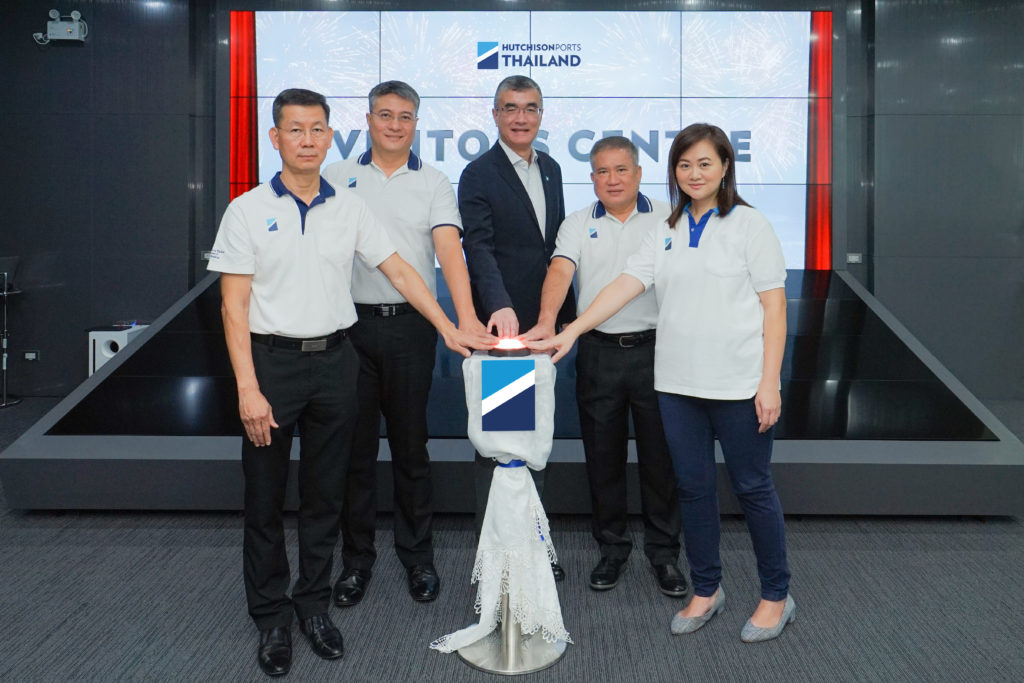
27 November 2019 Hutchison Ports Thailand (HPT) opened its new Visitors Centre at Terminal D, Laem Chabang Port. The centre showcases the key features and operational capabilities of Terminal D’s remote control quay and rubber tyred gantry cranes. In addition, the new interactive touch screens will allow the visitor to follow the history of HPT’s developments at Laem Chabang Port and to observe some of the other new technologies currently being planned. It will also serve as a training and new experience technology centre for our employees.
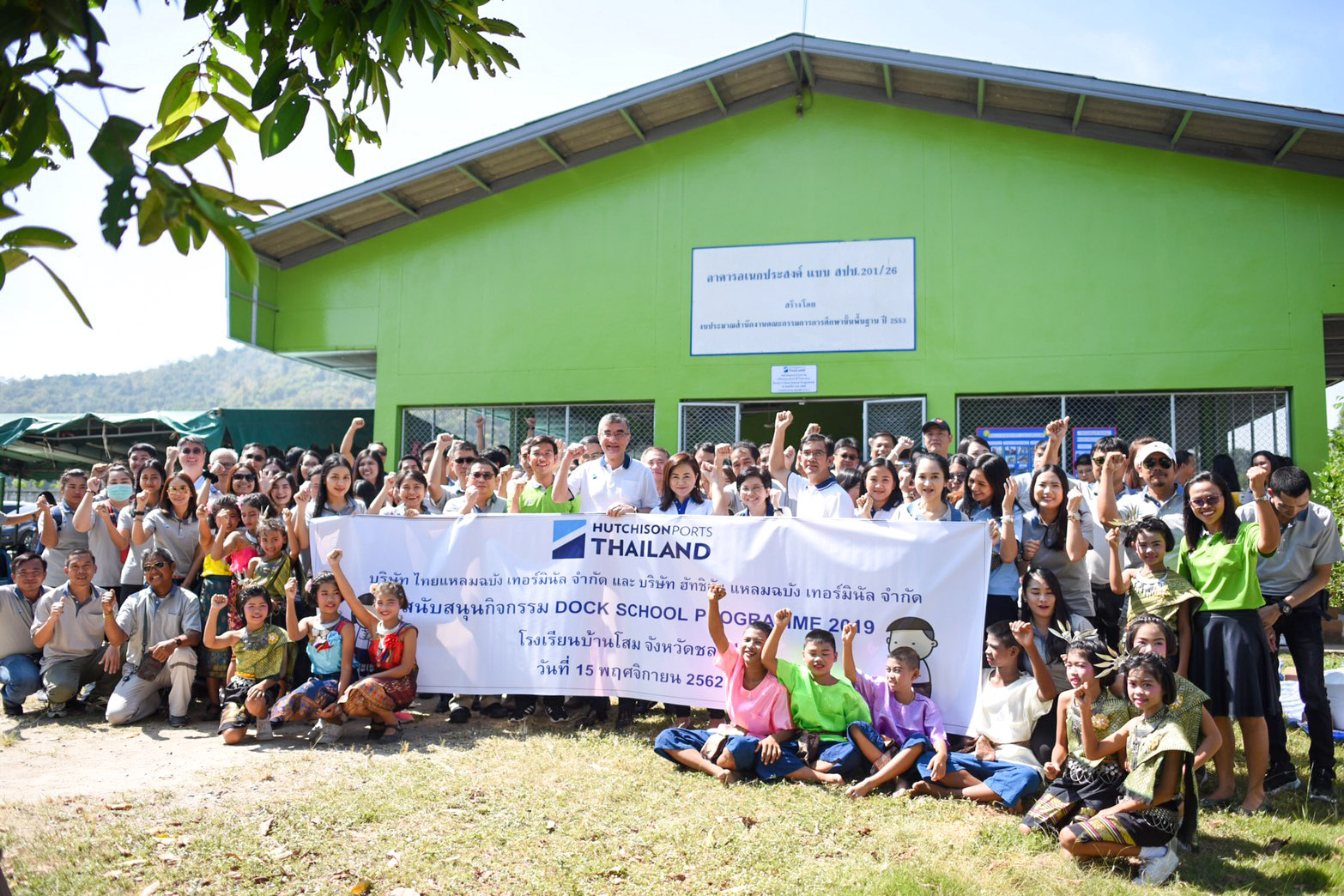
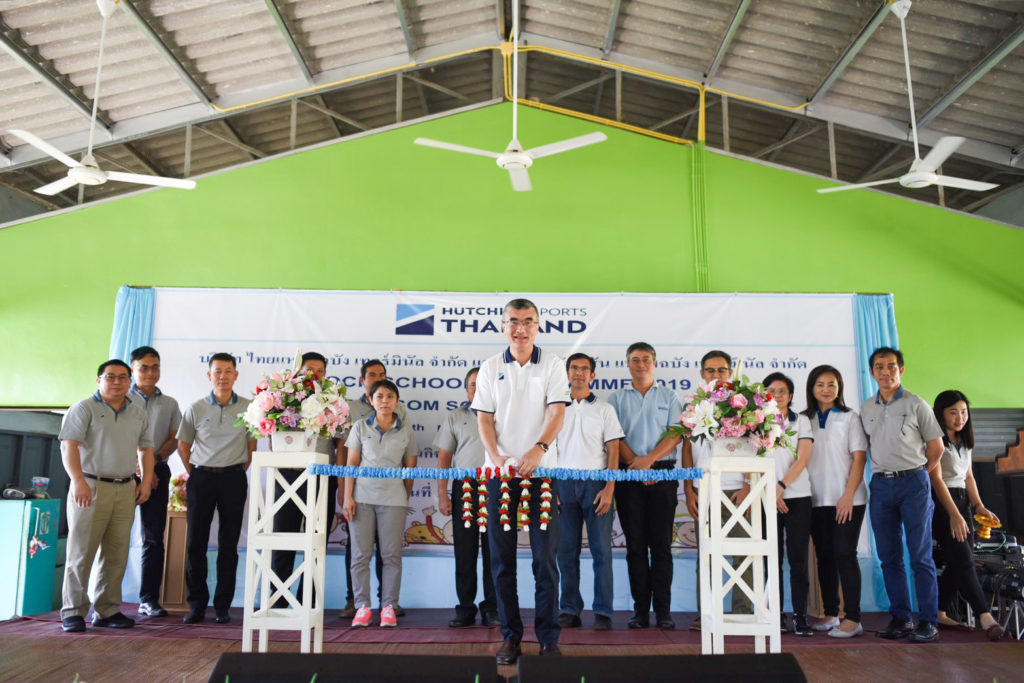
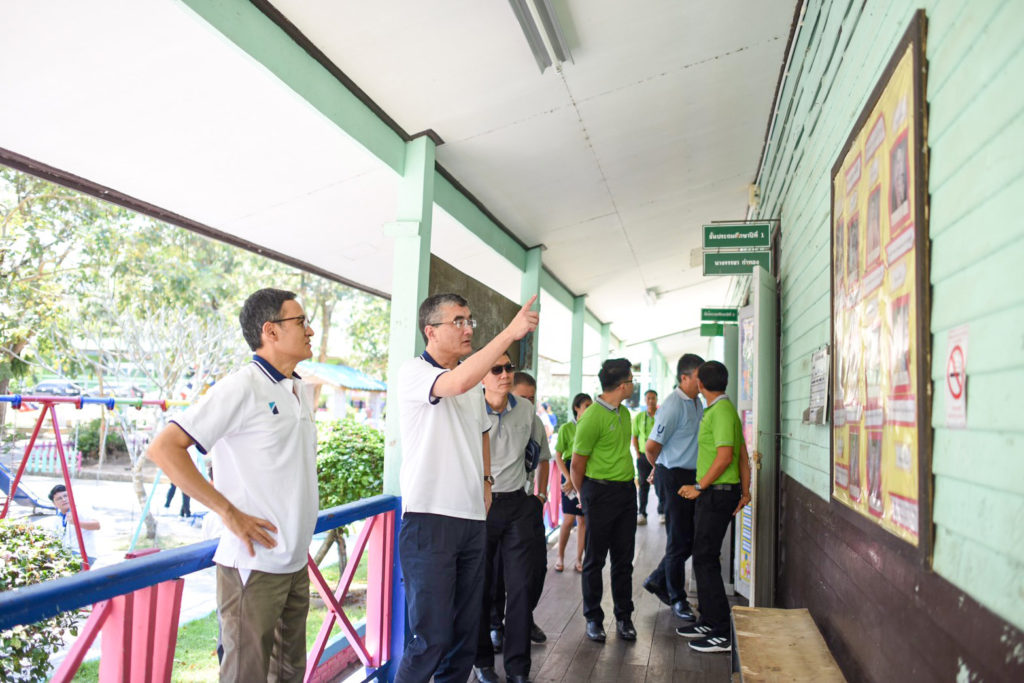
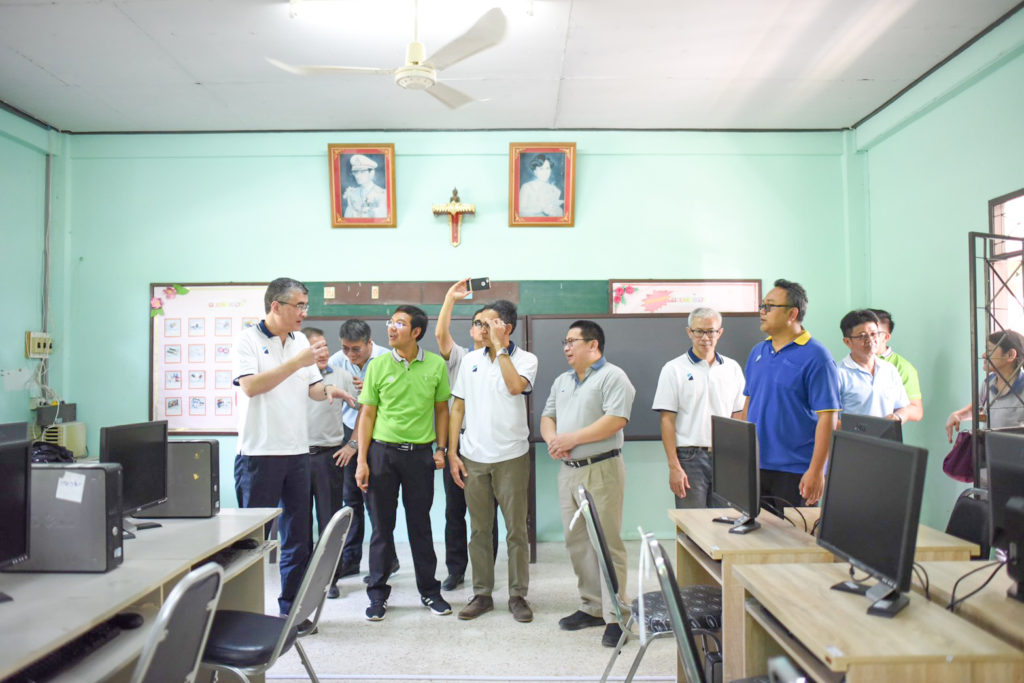
On 15 November 2019: HPT held a Dock School event under the Corporate Social Responsibility (CSR) programme. The event brightens the lives of children by improving their school facilities, and sponsored scholarships at the Bansom School in Tambon Klong Kiew, Ban Bueng district of Chonburi province.
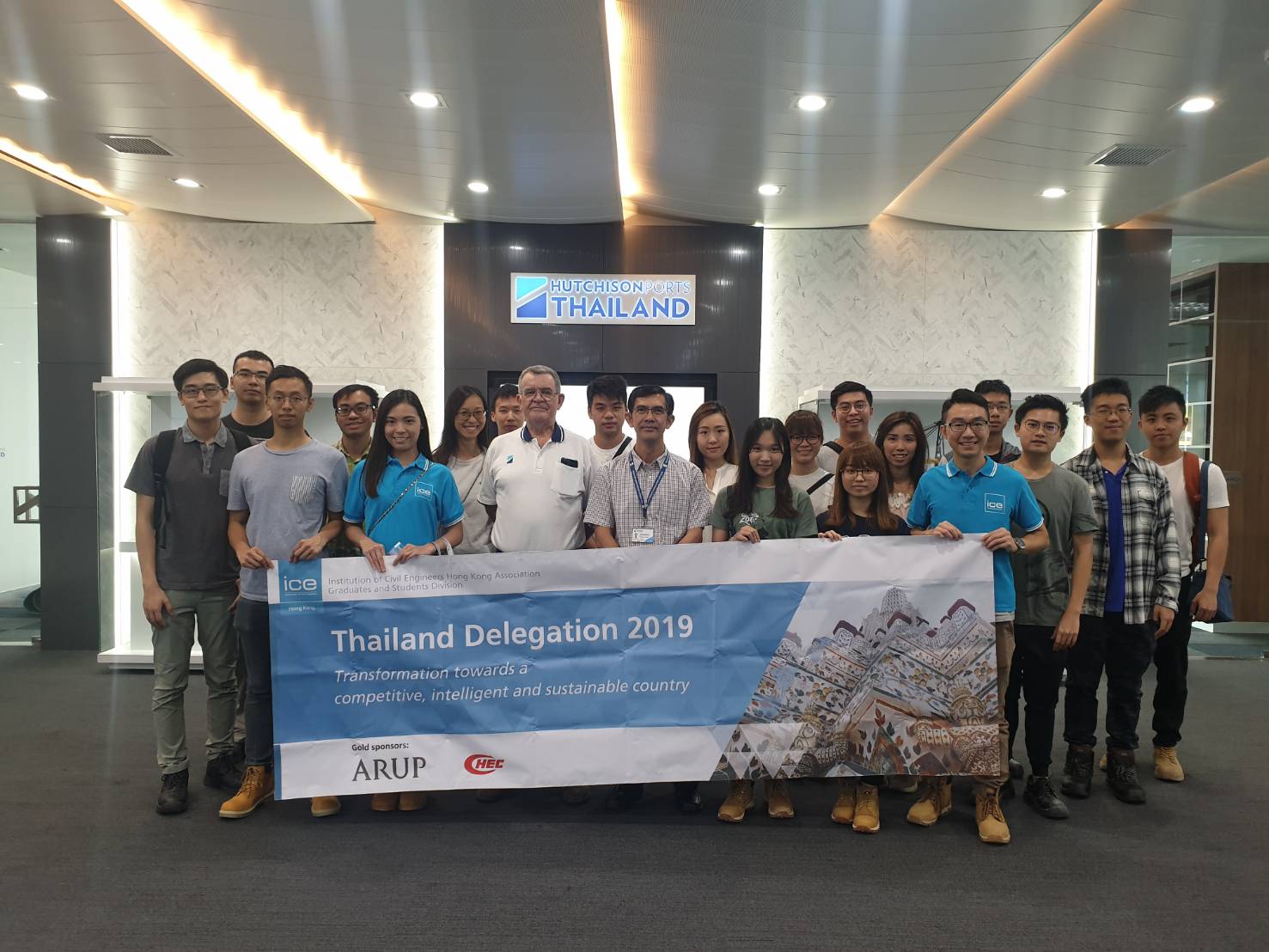
On 14 November 2019, Hutchison Ports Thailand (HPT) welcomed 20 participants from The Institute of Civil Engineers Hong Kong Association Graduates & Students Division. HPT provided a presentation on port construction, our advanced technologies, and the latest remote-control operations for its ship-to-shore cranes and yard cranes.